‘Walking the tightrope’: How should the world engage with Afghanistan?
TRT World interviews CIC non-resident fellow Paul Fishstein about his latest co-authored report on Afghanistan, and how the world should engage with the Taliban.
CIC’s long-running Afghanistan-Pakistan Regional Project shifted focus with the retirement of its director, Barnett Rubin in 2021 and continued track-two engagement in the region through partnership with the Heart of Asia Society and the Doha Institute throughout the year. In August 2021, as the disastrous results of the US withdrawal from Afghanistan were becoming apparent, our non-resident fellows were able to shed light on events through more than 30 engagements in the media, including Foreign Affairs, The New York Times, The Wall Street Journal, The Washington Post, The New Yorker, Time Magazine, CNN, MSNBC, ABC, BBC, Frontline, PBS Newshour, National Public Radio, and many others.
Key issues highlighted in our analysis includes:
TRT World interviews CIC non-resident fellow Paul Fishstein about his latest co-authored report on Afghanistan, and how the world should engage with the Taliban.
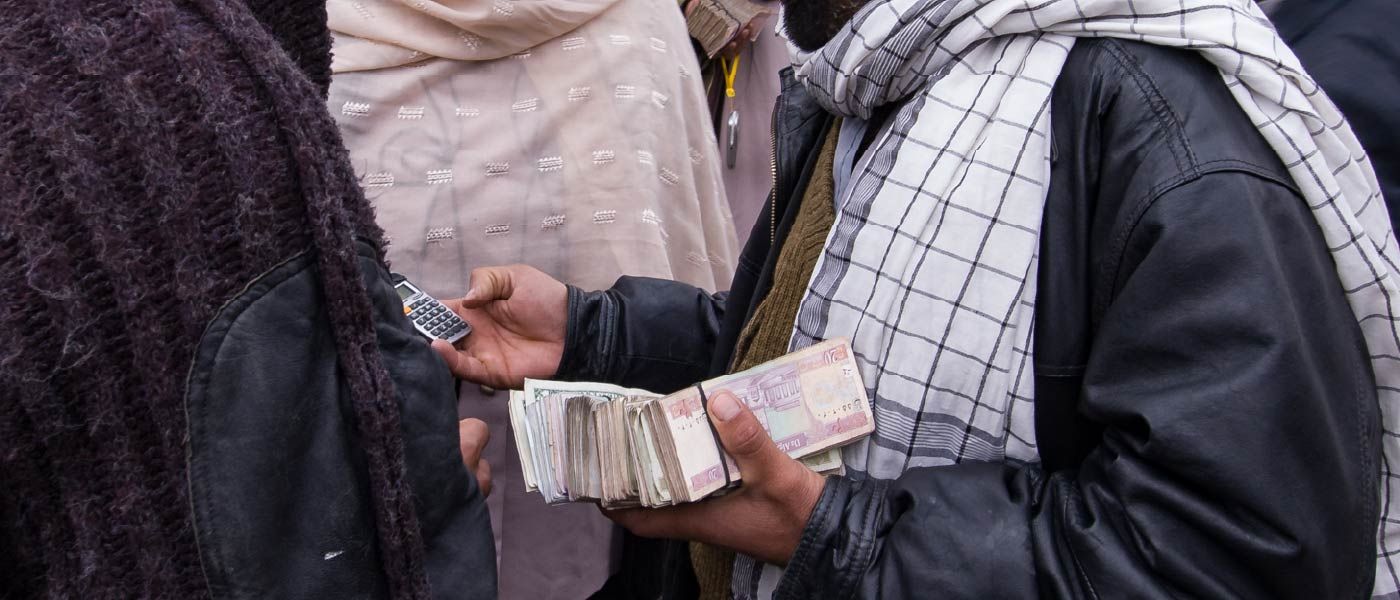
After much back and forth, some of Afghanistan’s frozen reserve funds have been released—sort of. The much anticipated September 14 announcement by the US government of the formation of the USD 3.5 billion “Afghan Fund” that will operate independently of the Taliban was not what the Taliban wanted nor did it completely fulfill the macroeconomic purposes for which reserve funds are intended. But it was potentially a positive step towards bringing Afghanistan’s economy back to life.
As the August 15 one-year anniversary of the Taliban takeover of Afghanistan approached, what was touted as good news for the United States turned out to be ominous for the Afghan people.
Until recently, improvements in physical security and a reduction in corruption since the Taliban takeover of Afghanistan offered opportunities to the country, but actions are needed by both the international community
As Afghanistan’s strangled economy continues to spiral downwards, some have called the Biden administration’s General License (GL) exempting international commercial transactions from US sanctions a “game changer.” Without significantly greater US leadership and pro-active engagement, however, this is wishful thinking.
Generously giving the Biden administration the benefit of the doubt, it may be possible to see last Friday morning’s quiet announcement of an Executive Order (EO) impounding of $7 billion of Afghanistan’s foreign reserve funds as an attempt to “preserve a substantial portion of Afghanistan’s reserves to support the needs of the Afghan people.”
Secretary of State Antony Blinken appointed former CIC senior fellow Rina Amiri as Special Envoy for Afghan women, girls, and human rights.
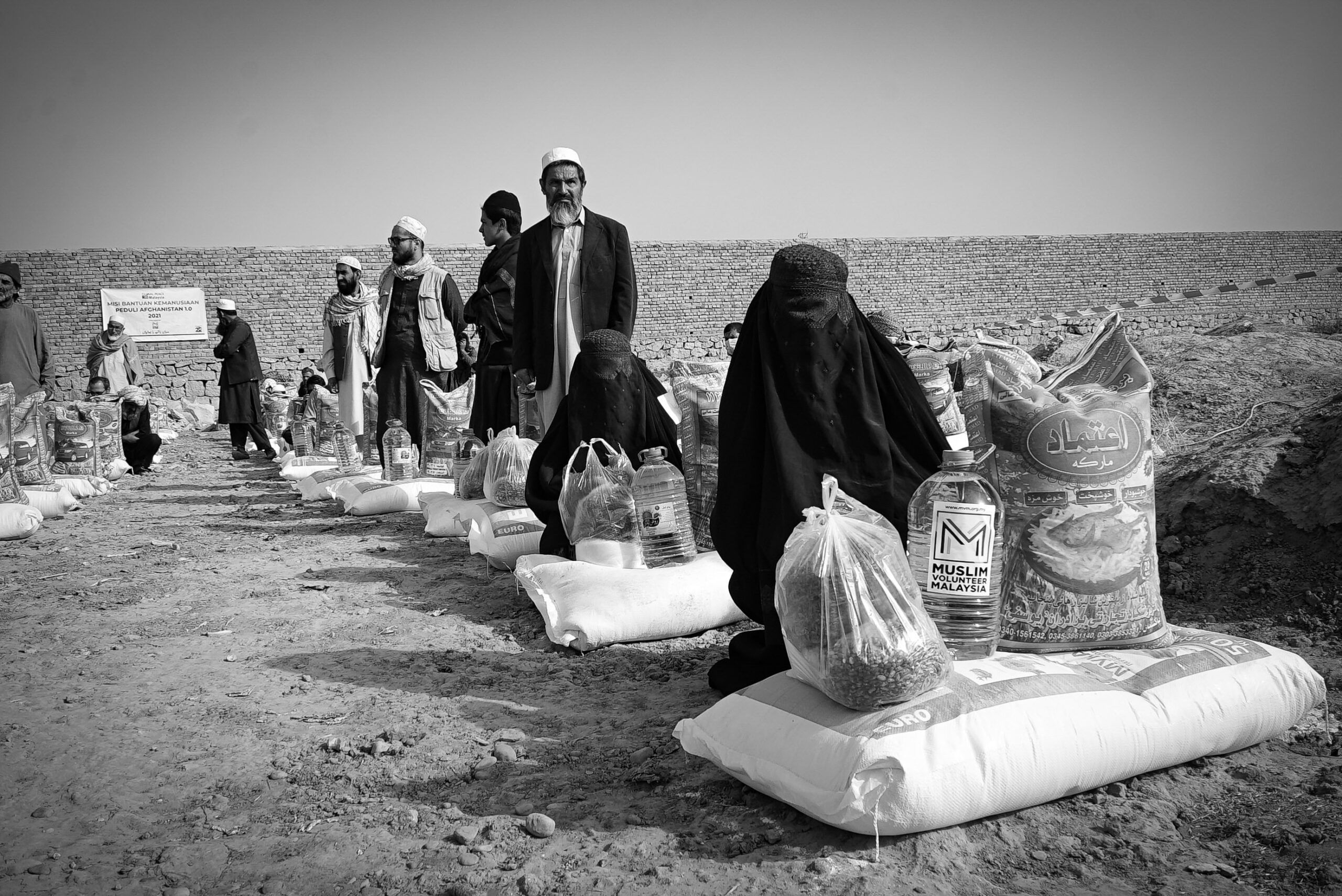
Afghanistan is now an epic humanitarian catastrophe. And the US and other Western nations face a complex mix of humanitarian, strategic, and domestic political considerations in deciding how to respond to prevent the situation from deteriorating even further.
Barnett Rubin and Rina Amiri, CIC senior fellows, are part of this Asia In-Depth episode on the circumstances of the U.S. withdrawal as well as what’s next for Afghanistan.
In this piece for Foreign Affairs, CIC senior fellow Rina Amiri analyses the opportunities and challenges that the international community will face when dealing with the Taliban.
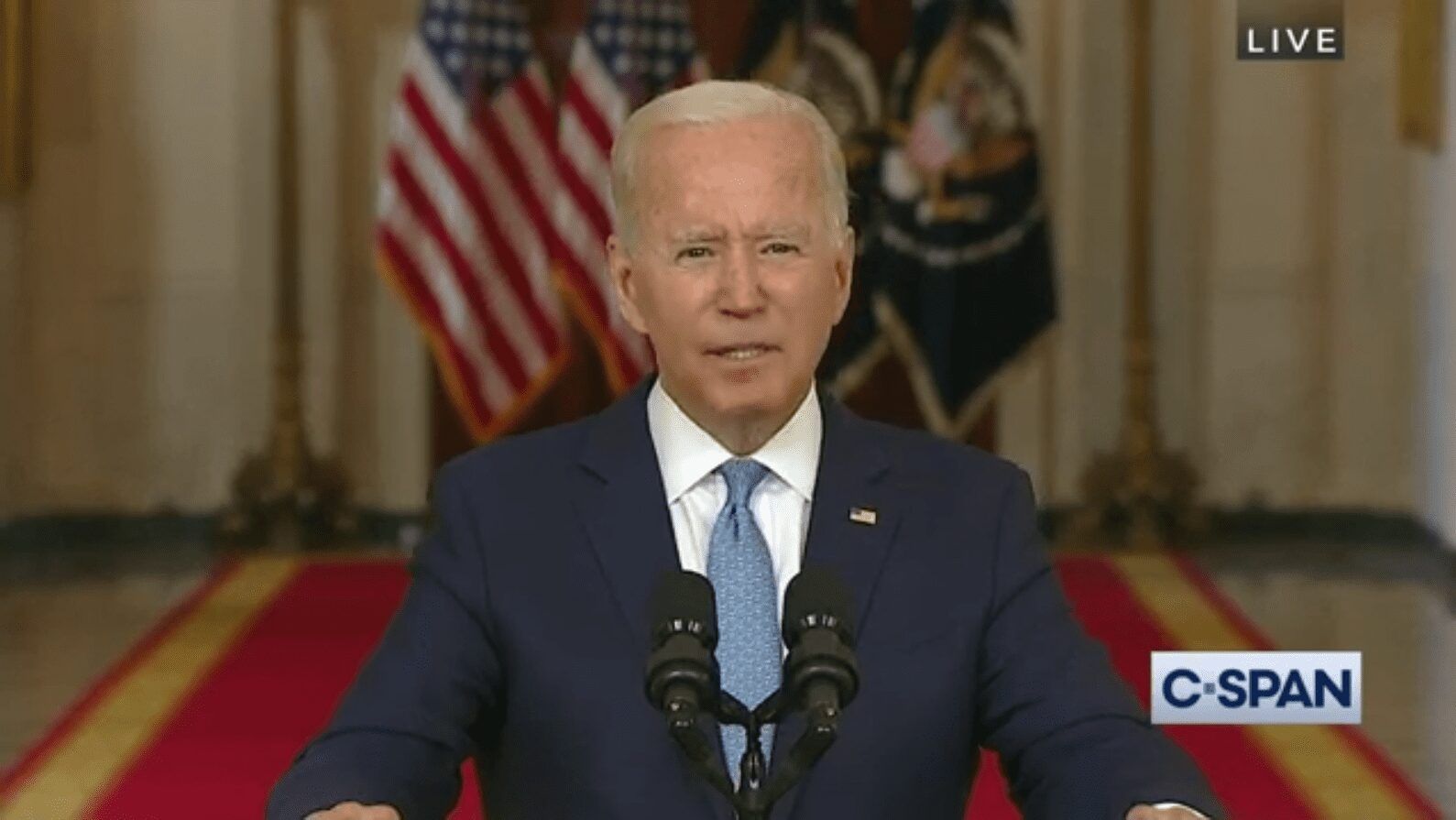
Perhaps the most discordant note in President Biden's speech last Tuesday was the contrast between the deep empathy for US service members and their families, and the apparent lack of empathy for those left at immediate risk in Afghanistan, let alone the country’s larger population.
CIC non-resident fellow Said Sabir Ibrahimi spoke with The Guardian about his experience as an Afghan refugee and the mistakes of various actors that led to the current situation of instability in Afghanistan.
The Biden administration’s April 14 announcement that all troops will depart Afghanistan by September 11, 2021 set off a round of recalculations in the region. It was no surprise that the Taliban immediately withdrew from the planned Istanbul meetings and that peace talks are now “on hold.” It also set off a wave of punditry here in the US.
Subscribe to our newsletter and receive regular updates on our latest events, analysis, and resources.
"*" indicates required fields