As of 2026, this program is no longer active.
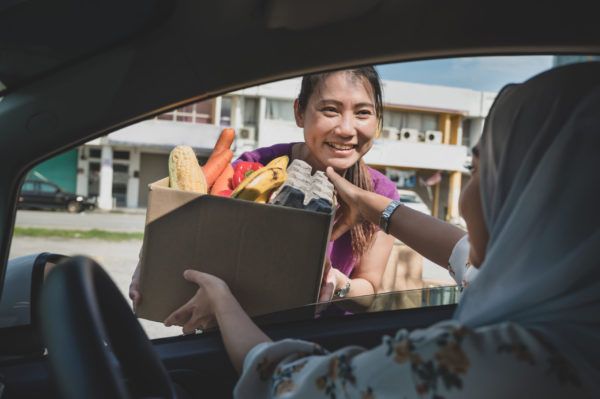
Humanitarian Crises
CIC’s Humanitarian Crises program was built on two decades of work to advance peace, justice, and inclusion in crisis-affected areas, and focused on two main areas:
- The humanitarian-development-peace (HDP) nexus
- Rights and responsibilities within the global refugee regime
Featured Projects
Our Latest Resources
-
Aid Strategies in ‘Politically Estranged’ Settings: How donors can stay and deliver in fragile and conflict-affected states
NYU Center on International Cooperation and Chatham House publish a new study, which draws together diverse experiences of situations where relations between donors and national authorities are estranged, as well as examples from other relevant fragile settings, to show how donors and multilateral organizations can design and deliver some forms of development assistance to meet urgent needs, prevent further social and economic disruption and increase resilience, without legitimizing unlawful regimes or fueling further conflict, human rights abuses or large-scale corruption.
-
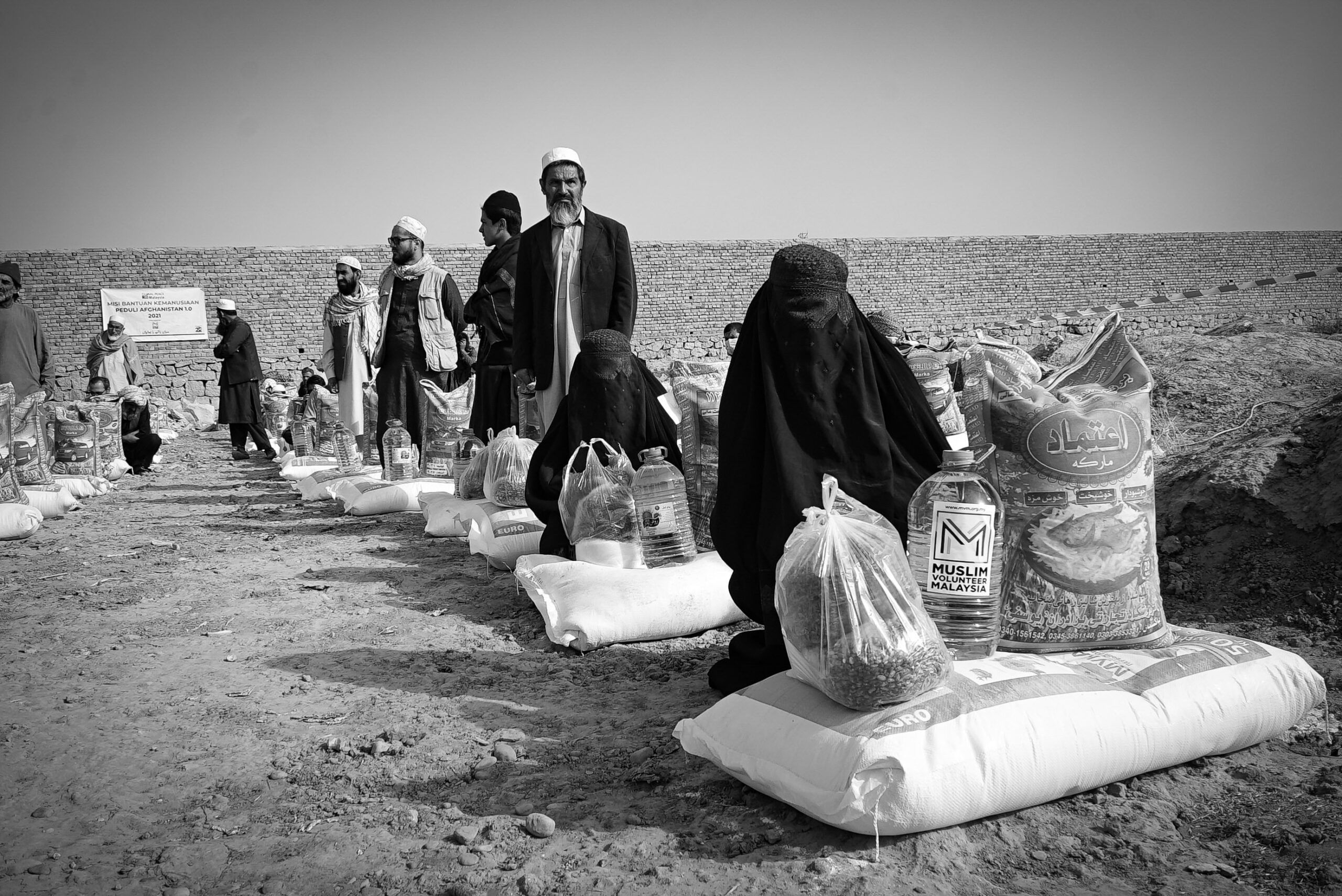
Humanitarian Assistance in Afghanistan: What’s Next?
Afghanistan is now an epic humanitarian catastrophe. And the US and other Western nations face a complex mix of humanitarian, strategic, and domestic political considerations in deciding how to respond to prevent the situation from deteriorating even further.
Paul Fishstein
-
The World’s Humanitarian, Economic, and Political Engagement with Afghanistan
The August 2021 fall of the Islamic Republic of Afghanistan and its replacement by the Taliban ended a two decade chapter of economic and social development. On top of an already weak economy reeling from COVID-19 and a multi-year drought, the overnight cutoff of most Western aid, freezing of foreign reserve funds, and effective severing of Afghanistan’s links with the global financial system plunged Afghanistan into multiple and overlapping humanitarian, economic, financial, and political crises of almost incomprehensible proportions.
-
Colombia’s Support for Venezuelan Migrants and Refugees
This policy brief explores the commendable policy efforts made by successive Colombia administrations to pursue economic and social integration of Venezuelan migrants and refugees in the face of crisis and calls for the international community to increase its financial support for Colombia’s response to the Venezuelan migration situation.
-
Europe’s Open Door for Ukrainians Reinforces a Double Standard on Refugees
For World Politics Reivew, Leah Zamore examines the double standards that drive global and European refugee policy, even as the EU’s response to Ukrainian refugees is a rare and desperately needed instance of collective solidarity.
Leah Zamore -
Demographic and Socioeconomic Changes Induced by the COVID-19 Pandemic in Bangladesh
The COVID-19 pandemic has upended life and livelihoods in Bangladesh. This report calls attention specifically to the impact of COVID-19 on migration – on Bangladeshi migrants themselves, who were compelled to return to their places of origin due to various circumstances during the pandemic, as well as their families and communities.
Stay Connected
Subscribe to our newsletter and receive regular updates on our latest events, analysis, and resources.
"*" indicates required fields