How Can the United Nations Escape Process Overload?
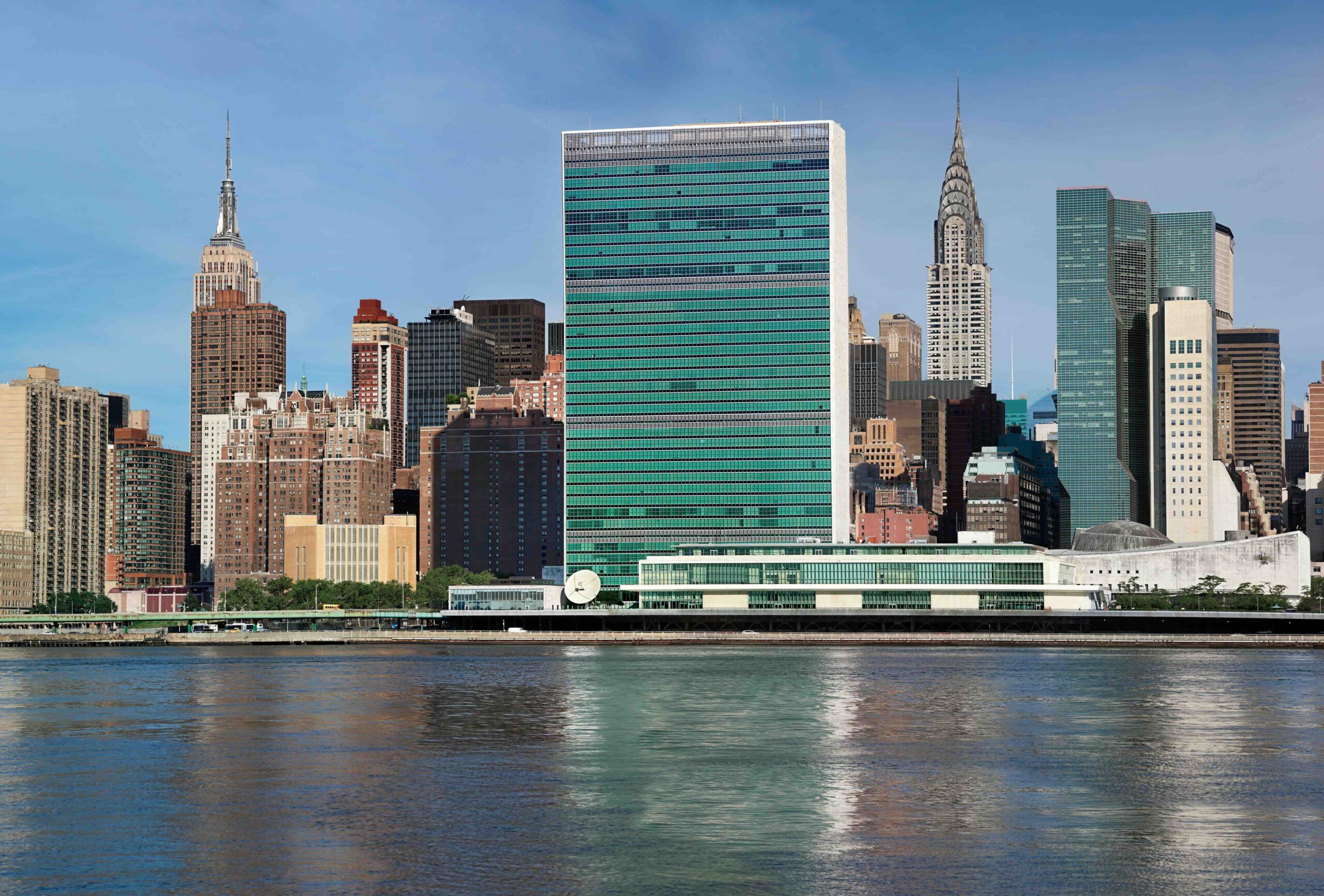
The next Secretary-General takes office on January 1, 2027, in a UN whose governance architecture has become so congested that it impairs the Organization's ability to act—a process overload.
As the United Nations (UN) celebrates its 80th anniversary, the Secretary-General has launched “UN80,” the most wide-ranging internal reform plan in over a decade. The initiative offers a rare opportunity to re-shape how the organization governs itself, so it can respond more effectively to today’s crises and deliver on its core mandates in a fast-changing world.
Like past reform cycles, however, declarations and structural proposals alone are not enough: progress will depend on sustained political ownership, transparent processes, and mechanisms that turn commitments into real institutional improvements. UN80 is also unusually complex, spanning multiple workstreams, processes, and working groups that make the landscape harder to navigate for member states and observers alike.
The next Secretary-General takes office on January 1, 2027, in a UN whose governance architecture has become so congested that it impairs the Organization's ability to act—a process overload.
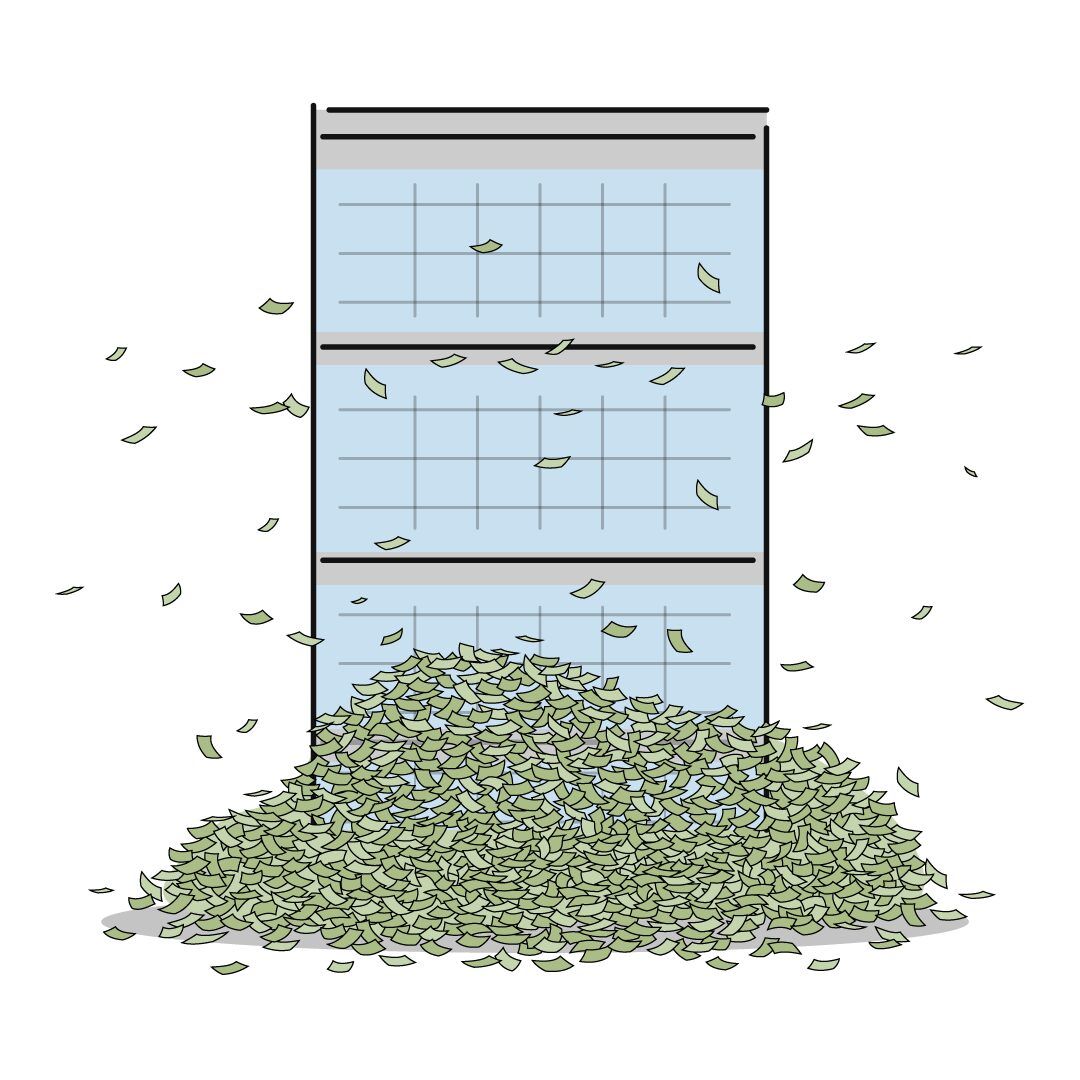
This short explainer examines the UN General Assembly's newly adopted credit-return methodology, approved on a four-year trial basis in June 2026. It highlights what has changed, what has not, and what it means for the Organization's financial management.

What are the "ABC" fundamentals of the United Nations (UN) organization? This new analysis unpacks agenda, boundaries, and capacity—the real “A, B, Cs” of any serious return to basics for the UN. Together, they distinguish between reform that clarifies the Organization's purpose and reform that erodes its ability to fulfill it.



This policy brief explores “politically governed authority," or real influence, constrained in form and scope by the preferences of the member states that constitute the institution. It proceeds through selection, function, capacity, and reform and uses the framework established in United Nations resolution 79/327, operative paragraph 49, to organize the implications of this design across four dimensions: efficiency, accountability, transparency, and institutional memory.
On December 2, 2025, days after the joint letter from the Presidents of the General Assembly (GA) and the Security Council (SC) officially launched the 2026 Secretary-General selection and appointment process, NYU’s Center on International Cooperation (CIC) brought together key voices who shaped past selection cycles to map what the 2026 process will demand.
Brief summary of previous attempts at UN mandate reform, challenges ahead, and practical reforms related to meetings and reports streamlining.


On November 25, the Presidents of the General Assembly and the Security Council formally opened the 2026 Secretary-General race with a joint letter inviting nominations. With that letter, a largely procedural process becomes a litmus test for multilateralism in a fractured international landscape.
Why do UN reforms keep falling short? This article explains two deficits for this cycle and how to address them.
This policy brief provides an overview of the process for the selection of the UN Secretary-General (SG). In short, the process has evolved from a non-transparent closed-door exercise almost exclusively dominated by the Security Council to a more transparent, inclusive process involving more active and engaged participation of the General Assembly.

UN80 brings an opportunity to implement the UN’s outward pledge to use AI internally.

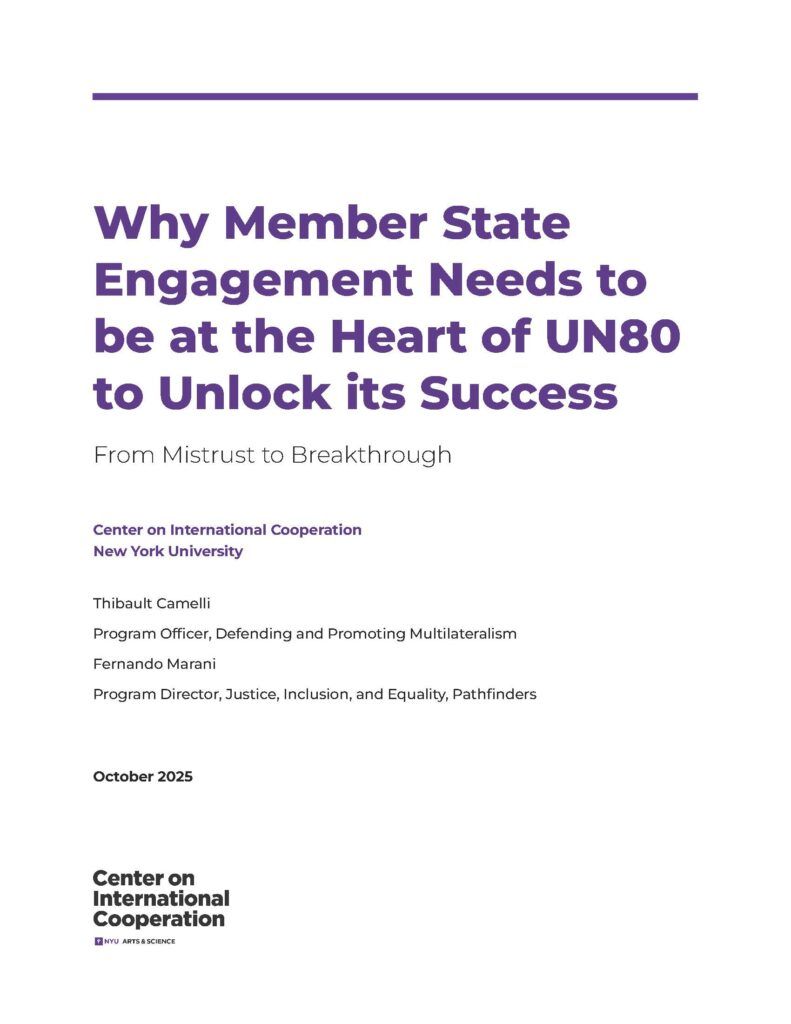
This paper offers a practical toolkit of 10 recommendations for strengthening member state engagement in UN80.
United Nations peace operations currently face a crisis of confidence. No large mission has been launched in over a decade, existing missions struggle to implement their mandates, and the UN is increasingly marginalized from political processes.

The UN Ad Hoc Working Group on Mandate Implementation has opened with more political weight and momentum than many expected, setting a promising tone for the months ahead.
As world leaders continue to gather in New York for the 80th session of the United Nations (UN) General Assembly, Pathfinders for Peaceful, Just and Inclusive Societies will continue to engage with governments on how to respond to some of the converging crises of our time—inequality, sovereign debt distress, violence and conflict, climate change, global justice gap, democratic backsliding, and trust in institutions at all levels.
Eighty years ago, in the final months of the Second World War, delegates from 50 countries convened in San Francisco to create an enduring mechanism for peace. The United Nations Charter, signed on June 26th, 1945, was a reflection of post-war reality, with the five biggest powers granted permanent veto rights on the Security Council. It was also a commitment to a shared future based on international law and co-operation.
Before the UN can reimagine its architecture for the future, it must restore the fiscal foundation on which that architecture rests.
Subscribe to our newsletter and receive regular updates on our latest events, analysis, and resources.
"*" indicates required fields