Key Takeaways
- Introduction and Background: Why the Current Peacekeeping Funding Crisis is More Dangerous
- How Financial Constraints are Reducing Peace Operations
- Recommendations: What Member States Can Do to Restore Political Control
Executive Summary
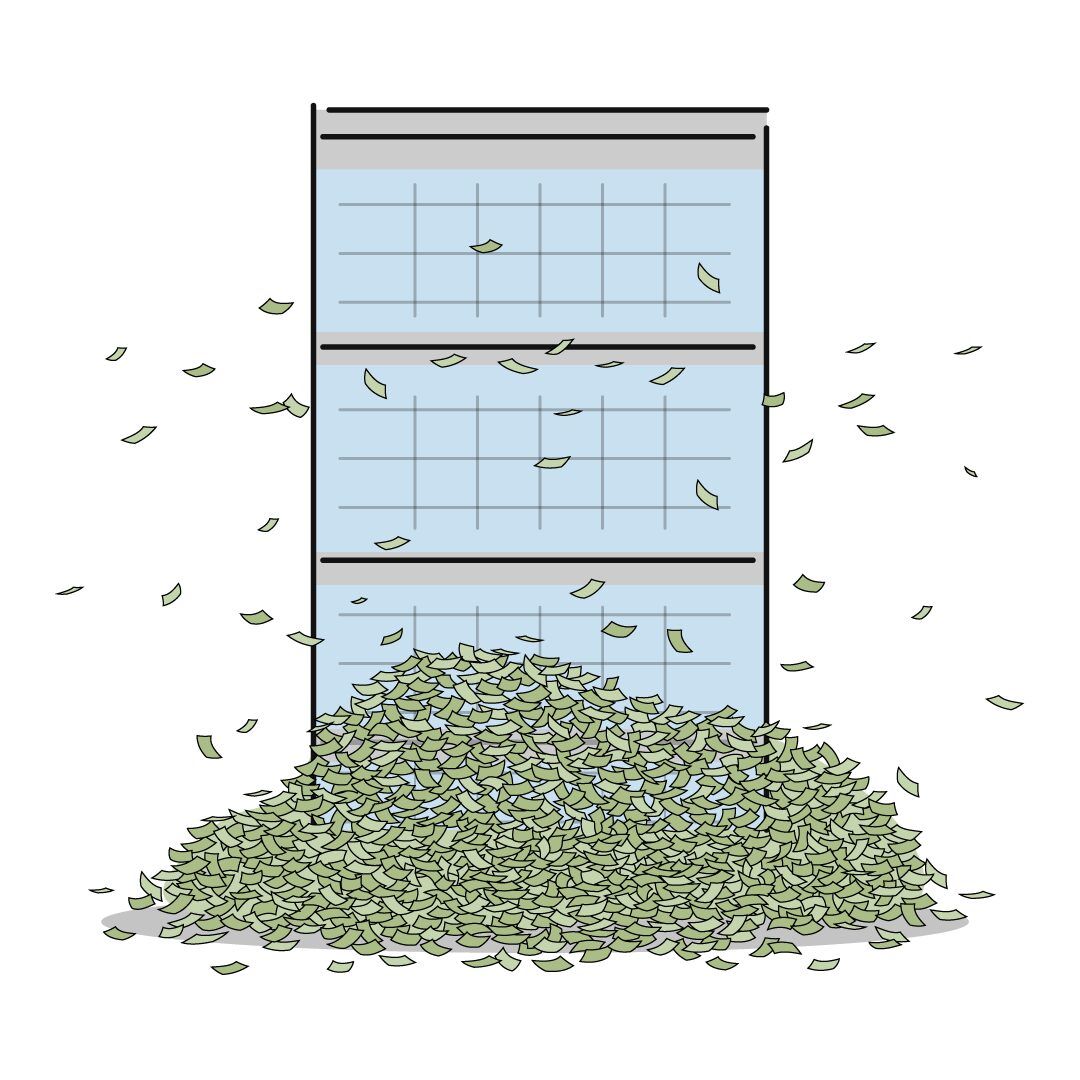
United Nations (UN) peacekeeping is being scaled back without any political decision to do so. Missions authorized by the Security Council are losing field presence, closing protection sites, and handing over civilian protection responsibilities because the money to sustain them has not arrived. The Security Council has not changed their mandates, nor has the General Assembly amended their budgets. The reductions are happening by default, driven by the failure of the two largest financial contributors to pay their assessed contributions in full and on time, even as they—as permanent members of the Security Council—bear primary responsibility for authorizing those missions.[i]
The UN entered 2026 with no cash reserve. Against a peacekeeping budget of USD 5.261 billion, a shortfall of approximately USD 2.067 billion had accumulated before the financial year was three weeks old.[ii] The primary liquidity mechanisms available for peace operations (cross-borrowing between missions and the Peacekeeping Reserve Fund) can mitigate the effects of late payment, but they cannot address significant underpayment.
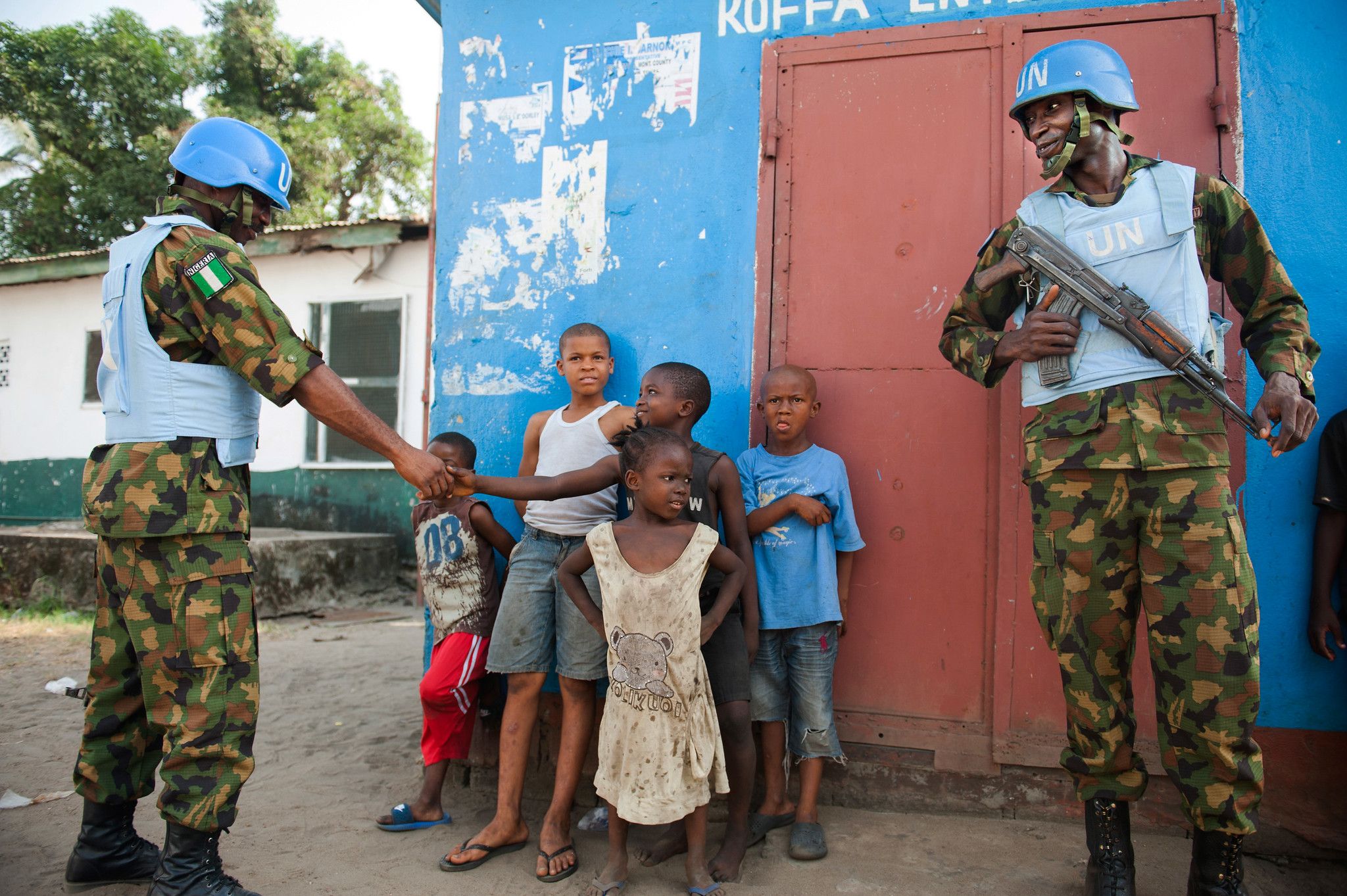
The resulting burden falls first on troop- and police-contributing countries, which primarily come from the Global South. When assessed contributions are not received, the UN defers reimbursements for contingent-owned equipment to troop- and police-contributing countries, and in more acute cases defers personnel reimbursements as well.
The General Assembly has adopted the first of these measures: a revised credit-return methodology representing the most significant reform of UN liquidity management in decades. Four measures remain. None requires new assessed resources. All require political will. Absent further action, peacekeeping will not be reduced by decision, but rather redefined by default.