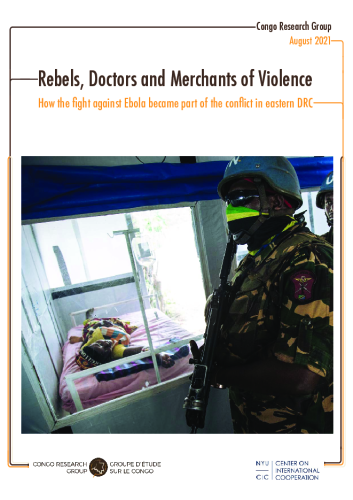
How the fight against Ebola became part of the conflict in eastern DRC
The outbreak of the Ebola virus in the eastern Democratic Republic of the Congo in 2018, the 10th outbreak in the DRC, was the first time that the disease emerged in a conflict zone. This report, the second in a series on the Ebola epidemic, attempts to explain how the epidemic and the transnational effort launched to contain it (the Riposte) was affected by this violence, and how they in turn influenced the armed conflict.
Building on months of research and investigation, the Congo Research Group argues in this newly released report that the Riposte became a source of both grievances and opportunism, inadvertently triggering resistance and aggravating the conflict. In its haste to prevent the spread of the deadly disease, and to protect its own staff, the Riposte paid both government security forces and armed groups, prompting it to be perceived as a de facto conflict actor and rendering itself indirectly complicit in the ongoing armed violence. The World Health Organization (WHO) was particularly involved in these payments, breaking with United Nations regulations, carrying out most of the payments and deciding how much they would be paid; they therefore had a particular responsibility in the security consequences.
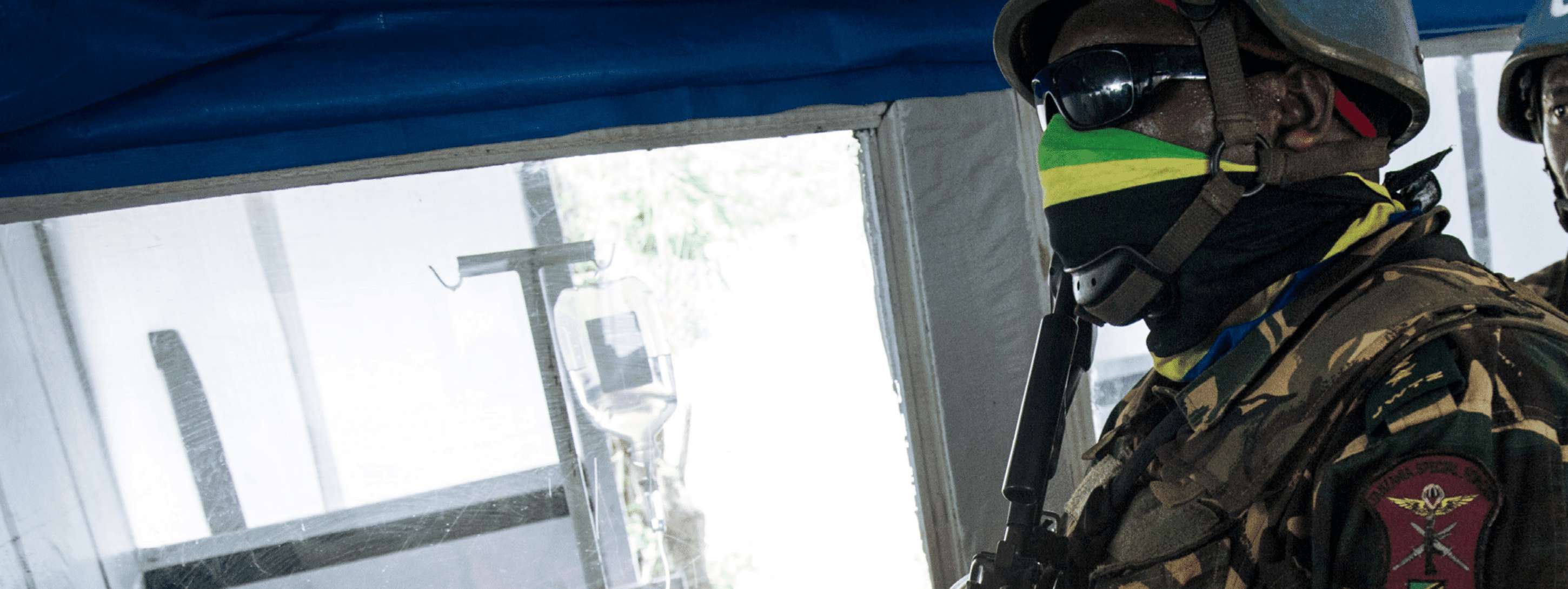
Over 20 months, between $489 million and $738 million was spent on Ebola in this part of the country.
The report cautions against making payments to parties to conflict in exchange for access so as not to inadvertently turn humanitarian operations into a source of profit and undermine the impartiality of humanitarian action. Like the first installment of CRG’s three-part series on Ebola, this second report emphasizes the need to rely as much as possible on local expertise and knowledge, to identify potential conflicts, and to work proactively with communities in the future.
Download the full report: Ebola in the DRC: Rebels, Doctors and Merchants of Violence – French | English