Building on a Fertile Decade of Investments to Modernize the UN System
United Nations (UN) Secretary-General António Guterres was elected on a reform platform and has promoted a host of reforms to the UN system over the last nine years. From the ambitious updating of the multilateral order captured in the 2021 report, Our Common Agenda or more focused measures relating to how the UN is organized to champion gender equality and human rights, to updating the organization’s use of data and foresight tools under “UN2.0,” this has been a fertile decade for UN reform ideas and ambition. And the UN development system—USD 20 billion annually in recent years, about one-third of total global UN spending—has seen dramatic changes under his tenure.
In today’s gloomy debates about the UN and the state of multilateralism, these accomplishments are worth celebrating.
2018 to Now: Some Positive Changes in the UN System
In defiance of the skeptics, the UN development system has seen dramatic changes in the intervening years since the UN General Assembly gave the green-light to a raft of reforms proposed by Secretary-General Guterres in 2018.
Most visibly, the 2018 development reforms resourced and professionalized UN development leadership and coordination through a new Development Coordination Office (DCO) with the capacity to staff 131 Resident Coordinator offices worldwide and a new generation of empowered, country-based UN Resident Coordinators (RCs) under the direct authority of the Secretary-General himself. These institutional reforms have been accompanied by a host of innovations around UN country team collaboration, planning processes, analytical products, results reporting, data platforms, efficiency gains, and much more.
In 2024 surveys, 87 percent of host governments reported that UN system entities were working more collaboratively than ever, and 84 percent of donor governments similarly credited RCs with improved UN coherence and reduced duplication.[1] These reforms challenged decades of established practice and received wisdom, and today there is ample evidence—at the country level, where it matters—that real progress has been achieved and should be protected.
At the same time, by no means have all of the components of the 2018 reform vision landed successfully. The UN’s large Regional Economic Commissions, for example, continue to operate largely on a separate axis to country operations. Shifting the UN’s development (as opposed to humanitarian) “offer” towards more policy advice and convening on complex problems and less project management (i.e., building “things”, delivering “things” etc.), has also proven difficult. The goal of getting donors to reduce their tight earmarking of much of their funding to the UN development agencies also remains elusive. The UN80 reform package has most of these issues in its sights, explicitly or implicitly, and each will need to be approached with humility and creativity after years of frustrated progress.
In short, the new UN80 round of reforms is an opportunity both to consolidate gains and breathe new thinking into some issues that have proven reform-resistant.
2026 and Beyond: Opportunities for UN80
Meanwhile, the hard work of building greater buy-in to the post-2018 regime must continue. It is an open secret that not everyone is a fan of the repositioned UN development system—with its empowered UN Resident Coordinators, explicit focus on shifting resources towards policy and expert advice via UN country teams with a smaller footprint, and emphasis on joined-up planning and financing systems. It will take time for old habits to change, scars to heal, and new systems to mature, as was the case for the first decade of the UN’s Office for the Coordination of Humanitarian Affairs (OCHA) after its establishment in 1991.
Seizing opportunities to ensure the new set-up truly adds value to the important work of the UN Sustainable Development Group (UNSDG) membership will hasten that transition, however. For example, independently of UN80, the UN’s Development Coordination Office could seriously upgrade the resource-mobilization capacity of the RC system to raise funds for cooperation frameworks and pooled funding—another positive lesson to be drawn from the OCHA playbook, which raised over USD 1.7 billion for agencies’ work in 2024. Curating a more structured strategic partnership between the UN development system and the World Bank would also surely add value—recent years have seen exciting growth and innovation in the UN-World Bank partnership, but operational collaboration still remains fairly ad hoc and personality-dependent at the country level.
Tantalizingly, the Secretary-General’s UN80 proposal does open the door to structural changes, and a number of mergers have been explicitly put on the table, including United Nations Development Programme (UNDP)–United Nations Office for Project Services (UNOPS) and United Nations Population Fund (UNFPA)–UN Women mergers, both of which are under study at this time. What has not yet been floated is a potential merger of the UN’s development and humanitarian coordination assets. In practice, the substance of the work done by DCO and OCHA is very similar, supporting leadership, planning and coordination systems, data, financing, advocacy and communications. Furthermore, each service the same “two-hatted” individual at the country level—the Resident and Humanitarian Coordinator.
Bringing these functional services together under one roof offers potential synergies and efficiencies and may inject welcome new dynamics into decades-old efforts to reduce duplication and improve the linkages between these two ecosystems. Importantly, integrating these functions would not require merging the Inter-Agency Standing Committee (IASC) and UN Sustainable Development Group peak bodies for humanitarian and development leadership, respectively, nor the leadership roles of the Emergency Relief Coordinator and the UNSDG Chair—rather, only the teams that support these individuals, structures and processes. The case for an ‘integrated office for field coordination’ that merges DCO and OCHA assets will trigger lively debate and some legitimate concerns, but it is time to have the conversation.
The reality is that UN80 implementation will ultimately fall to the next UN leadership team. While much of the focus of the coming year will be on the selection process for the next Secretary-General, the selection of the next Deputy Secretary-General (DSG) may be just as important vis-à-vis the future of the UN development system. Major new structures and policies have been built around the leadership role of the DSG in this domain over the last seven years, and reversing this course would imply losing years of significant political, financial, and bureaucratic investments; investments that have borne fruit, even if there still remains unfinished business.
The good news is that there are many positive results in the development sector for a new UN leadership team to build on; the cup is definitely half-full, not half-empty.
To learn more, read the full-length report this article is based on.
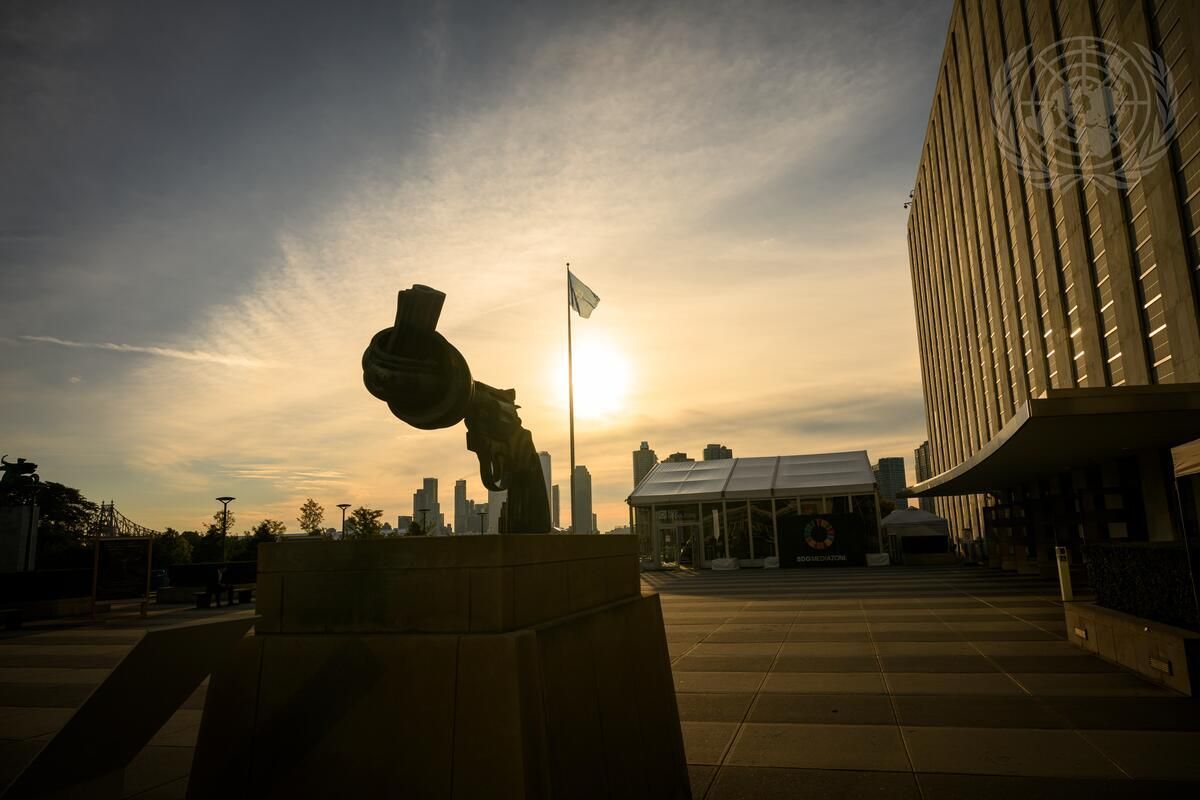
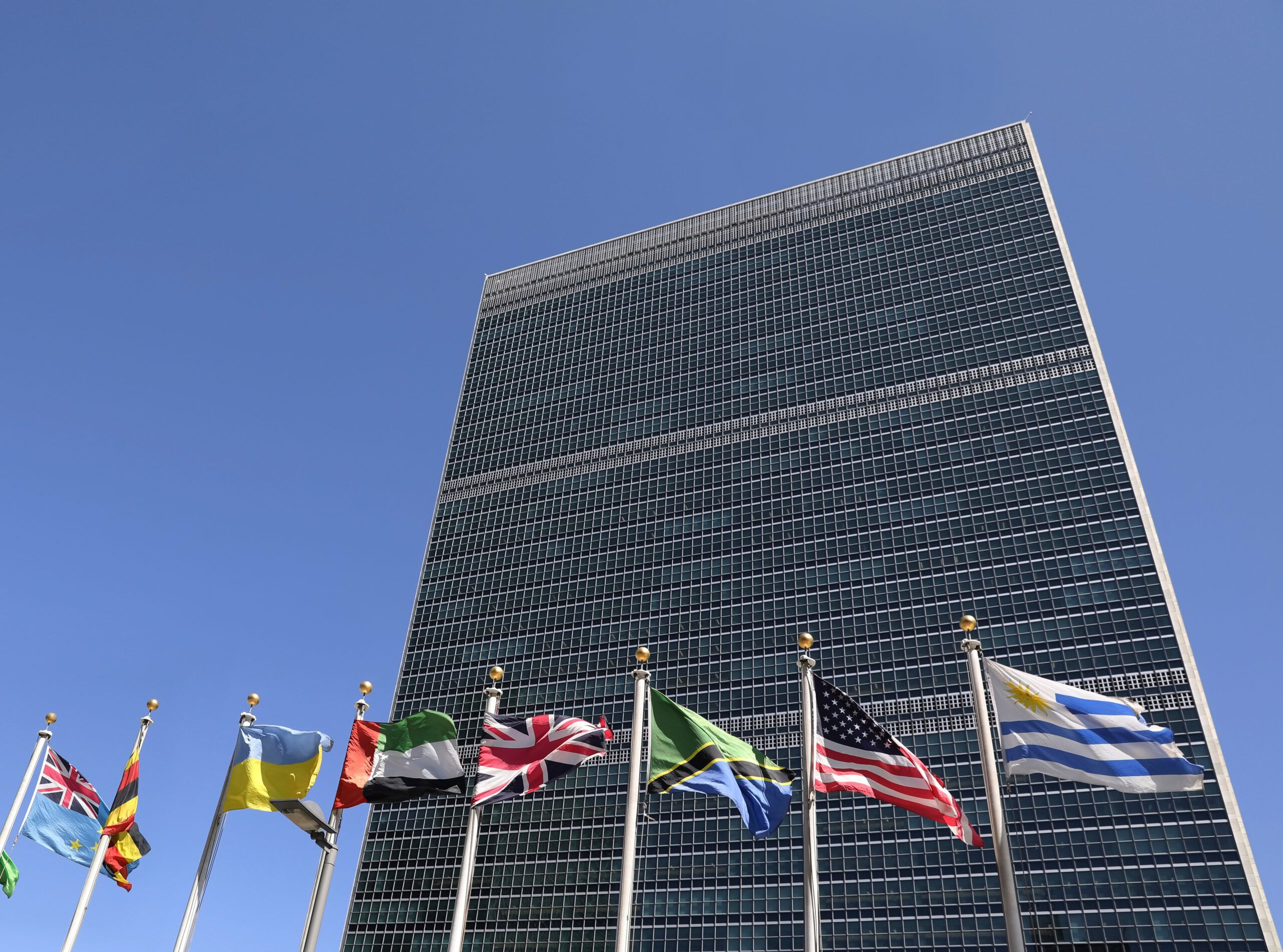
Scene at UN Headquarters during Fifth Day of 80th General Assembly Debate. © UN Photo/Loey Felipe
Related Resources
-
-
How to End the United Nations’ Current Financial Crisis… and Prevent Future Ones
This paper examines the United Nations’ growing financial challenges, exploring their origins and institutional dynamics while outlining possible pathways to address the crisis.
-

Stay Connected
Subscribe to our newsletter and receive regular updates on our latest events, analysis, and resources.
"*" indicates required fields