Bridging the Divides: Fostering Pluralism, Inclusion, and Solidarity in a Fragmented World

Meeting Report

The Pathfinders for Peaceful, Just and Inclusive Societies and the Global Center for Pluralism co-hosted a high-level roundtable on bridging societal divides and promoting inclusion and respect for diversity both within and between countries. Diversity in society is a universal fact; how societies respond to diversity is a choice. In today’s political landscape, pluralism is increasingly contentious, and diversity is seen as a threat to be managed. Polarizing narratives and disinformation campaigns that pit groups against each other have become the “new normal.” In this era of discord, we must work to understand best how we can foster solidarity across our differences and leverage pluralism to build just, equal, and peaceful societies.

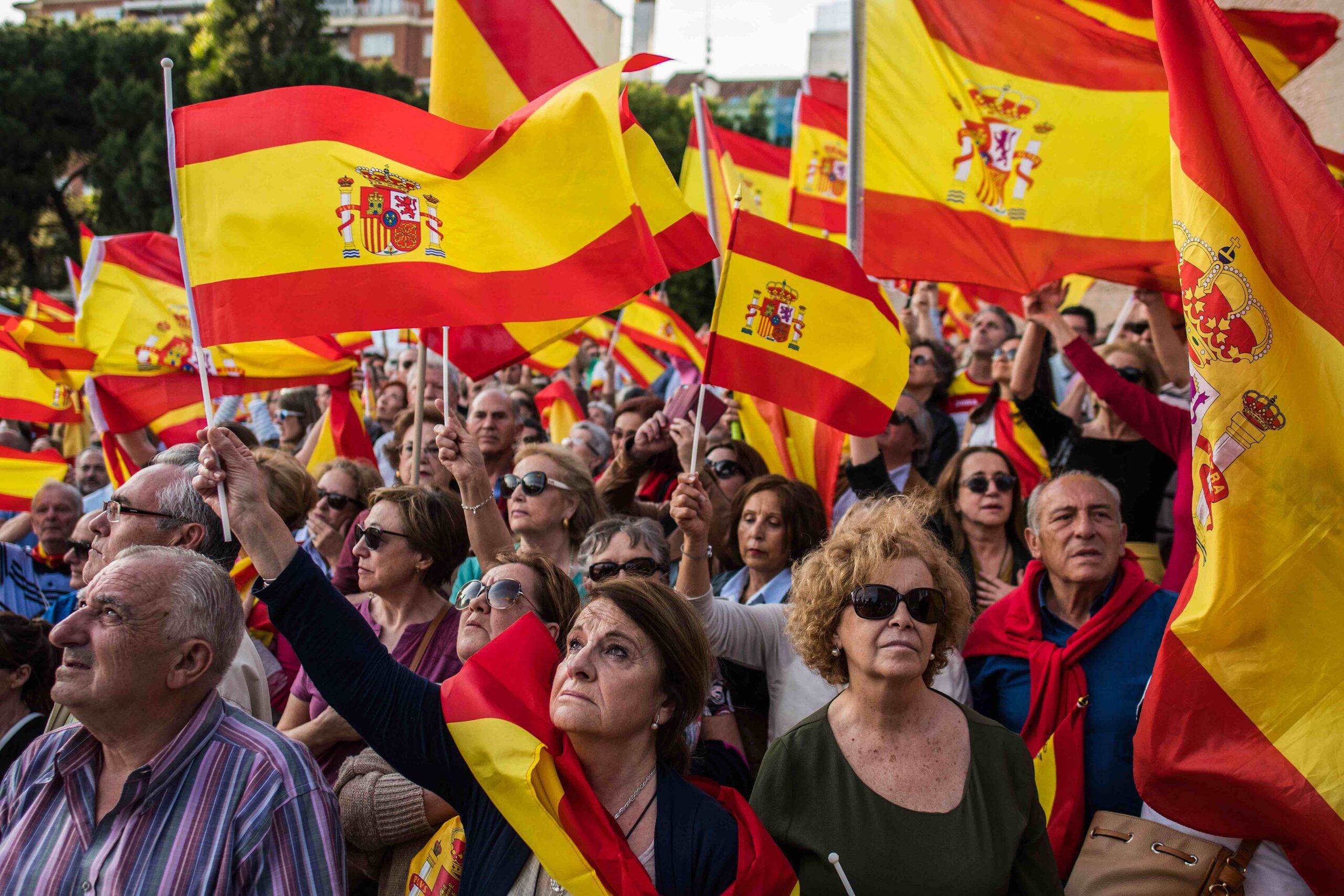
The meeting aimed to delve into the global contemporary challenges facing societies, acknowledging the profound impacts of division, tech-amplified disinformation and polarizing rhetorical and political strategies that undermine trust in democratic institutions and multilateralism and threaten social cohesion and pluralism. The dialogue emphasized the interconnectedness of domestic and international politics, stressing the urgency of addressing societal fractures at both levels. The roundtable underscored that countering polarization requires not just a whole-of-society approach but international cooperation. Bringing together policymakers and practitioners from diverse countries such as Canada, Kenya, Indonesia, and Spain, participants explored practical solutions to bridge divides.  

Learn more about the Pathfinders Grand Challenge on Inequality and Exclusion’s work on Bridging Divides and Countering Polarization here.

Related Resources

  • Blog July 27, 2023 Inequality and Exclusion

    Division on the ballot: What can we learn from Spain?

    Spain's electoral fate hangs in the balance as both the rightwing block (the Popular Party and Vox) and the leftwing block (led by Prime Minister Pedro Sánchez's Spanish Socialist Workers' Party (PSOE) and the newly formed coalition of leftwing parties, Sumar) failed to secure a governing majority in the country's snap elections on July 23. This past Sunday's results defied most predictions of a significant rightward shift.

    • Young, dark-haired woman in a red blouse and thick golden rope necklace smiles at the camera in an outdoor setting.
    • Headshot of a red-headed woman with bangs and a white blazer smiling into the camera in front of a white wall.
    Paula Sevilla Núñez, Raquel Jesse
  • Blog August 3, 2023 Inequality and Exclusion

    División en las urnas: ¿Qué podemos aprender de España?

    El destino electoral de España pende de un hilo desde que, en las elecciones anticipadas del 23 de julio, ni el bloque de derechas (el Partido Popular y Vox) ni el bloque de izquierdas (liderado por el Partido Socialista Obrero Español (PSOE) del Presidente Pedro Sánchez y la recién formada coalición de partidos de izquierdas Sumar) lograron la mayoría necesaria para gobernar. Los resultados del pasado domingo desafiaron la expectativa generalizada de un vuelco considerable a la derecha.

    • Young, dark-haired woman in a red blouse and thick golden rope necklace smiles at the camera in an outdoor setting.
    • Headshot of a red-headed woman with bangs and a white blazer smiling into the camera in front of a white wall.
    Paula Sevilla Núñez, Raquel Jesse

Stay Connected

Subscribe to our newsletter and receive regular updates on our latest events, analysis, and resources.

"*" indicates required fields

This field is for validation purposes and should be left unchanged.