
					Array
(
    [thumbnail] => https://s42831.pcdn.co/wp-content/uploads/2025/12/AdobeStock_68814624_reduced-150x150.jpeg.optimal.jpeg
    [thumbnail-width] => 150
    [thumbnail-height] => 150
    [medium] => https://s42831.pcdn.co/wp-content/uploads/2025/12/AdobeStock_68814624_reduced-300x203.jpeg.optimal.jpeg
    [medium-width] => 300
    [medium-height] => 203
    [medium_large] => https://s42831.pcdn.co/wp-content/uploads/2025/12/AdobeStock_68814624_reduced-768x520.jpeg.optimal.jpeg
    [medium_large-width] => 768
    [medium_large-height] => 520
    [large] => https://s42831.pcdn.co/wp-content/uploads/2025/12/AdobeStock_68814624_reduced-1024x693.jpeg.optimal.jpeg
    [large-width] => 1024
    [large-height] => 693
    [1536x1536] => https://s42831.pcdn.co/wp-content/uploads/2025/12/AdobeStock_68814624_reduced-1536x1040.jpeg.optimal.jpeg
    [1536x1536-width] => 1536
    [1536x1536-height] => 1040
    [2048x2048] => https://s42831.pcdn.co/wp-content/uploads/2025/12/AdobeStock_68814624_reduced-2048x1387.jpeg.optimal.jpeg
    [2048x2048-width] => 2048
    [2048x2048-height] => 1387
    [gform-image-choice-sm] => https://s42831.pcdn.co/wp-content/uploads/2025/12/AdobeStock_68814624_reduced-scaled.jpeg.optimal.jpeg
    [gform-image-choice-sm-width] => 300
    [gform-image-choice-sm-height] => 203
    [gform-image-choice-md] => https://s42831.pcdn.co/wp-content/uploads/2025/12/AdobeStock_68814624_reduced-scaled.jpeg.optimal.jpeg
    [gform-image-choice-md-width] => 400
    [gform-image-choice-md-height] => 271
    [gform-image-choice-lg] => https://s42831.pcdn.co/wp-content/uploads/2025/12/AdobeStock_68814624_reduced-scaled.jpeg.optimal.jpeg
    [gform-image-choice-lg-width] => 600
    [gform-image-choice-lg-height] => 406
)
5 Next Steps in the 2026 UN Secretary-General Selection Process
On December 2, 2025, days after the joint letter from the Presidents of the General Assembly (GA) and the Security Council (SC) officially launched the 2026 Secretary-General selection and appointment process, NYU’s Center on International Cooperation (CIC) brought together key voices who shaped past selection cycles to map what the 2026 process will demand.

Ambassador Rein Tammsaar (Estonia) and Ambassador Mathu Joyini (South Africa) opened the event by outlining their delegations’ long-standing support for transparent, inclusive, and rules-based appointment practices and reflecting on procedural developments at the General Assembly and the Security Council in the last ten years.
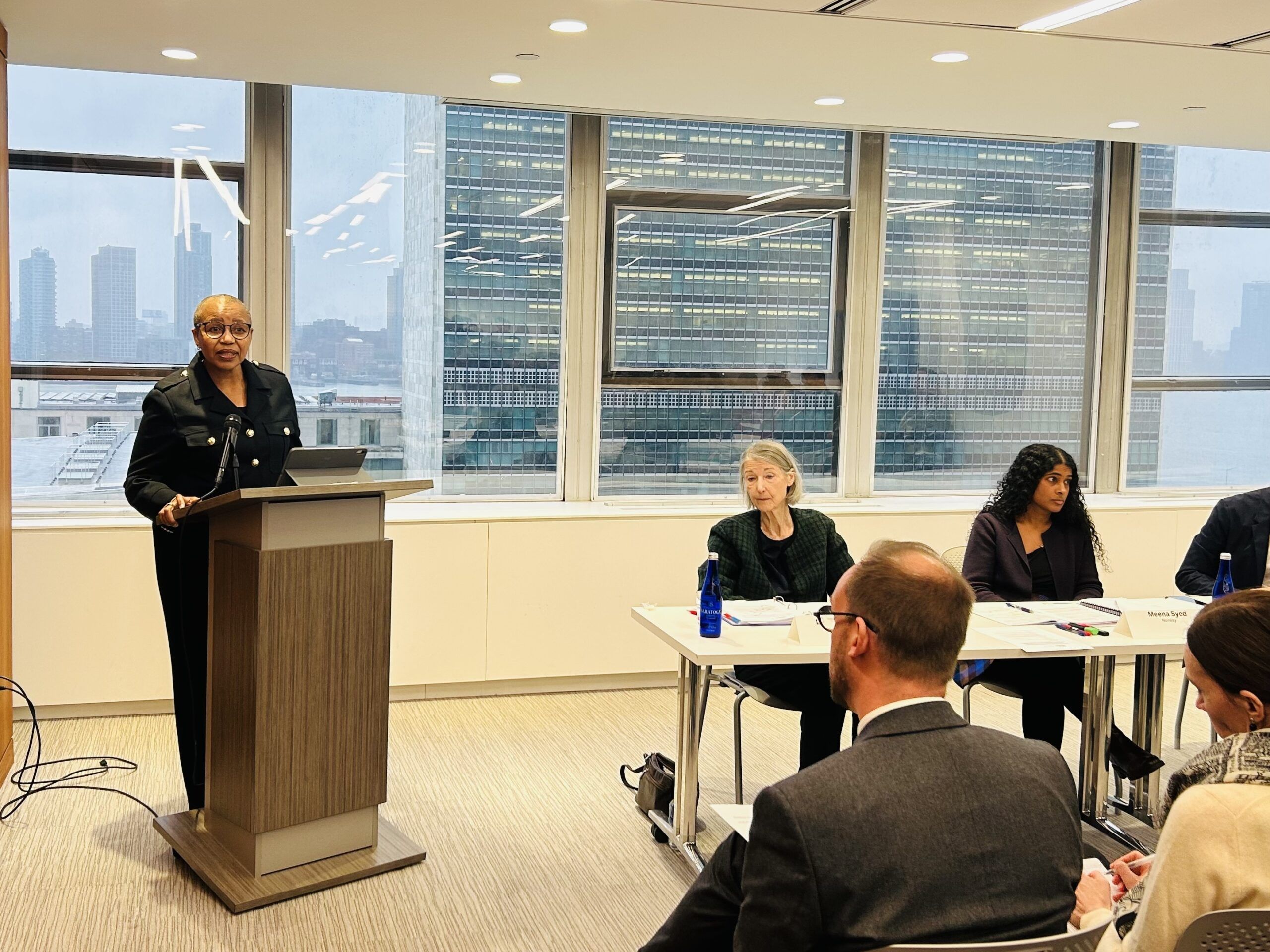
The main segment featured a panel discussion between Meena Syed (Norway), Loraine Sievers (SCProcedure), and Fernando Marani (CIC). The exchange traced the procedural changes since 2015, including the differences between the 2016 competitive process and the 2021 reappointment, and reviewed practical considerations for 2026, including the GA-SC interface, hearing formats, nomination rules, and the role of the rotating Security Council presidency.
The speakers converged on one structural point: the relevant GA resolutions set a floor, not a ceiling, for shaping this process.
The event concluded with remarks by Karin Landgren (CIC), who underscored the limited time before the Security Council starts deliberations in July 2026 and the need for advance preparation by delegations.
Some of the key recommendations stemming from this event are:
- Fix the calendar early and allow for iterative hearings. Set GA hearing dates now, with the possibility of a second round and a post-hearing assessment or “temperature-checks” of whether additional dialogue is required.
- Redesign the dialogue format. Move beyond scripted Q&A by introducing unscripted segments and diversifying who asks questions.
- Ensure meaningful civil society participation. Engagement should match the substantive role civil society played in securing transparency in 2016.
- Clarify criteria and recover dropped reform elements. Define what “highest standards” means in practice (including competencies and red flags), and, where politically relevant, revisit provisions set aside in earlier drafts of GA resolutions (e.g., unrealized transparency mechanisms, and stronger rotation or qualification language).
- Use institutional authority to protect precedent. Support active leadership by the PGA, take regional rotation seriously, and consolidate norms that will carry into the next selection cycle: what is institutionalized (or left ambiguous) this cycle becomes precedent for 2031.
Watch the event recording here →
Stay updated with CIC’s work on UN80 by subscribing to our mailing list →
Related Readings on UN80
-
-
The Process for Selecting the Secretary-General of the United Nations
This policy brief provides an overview of the process for the selection of the UN Secretary-General (SG). In short, the process has evolved from a non-transparent closed-door exercise almost exclusively dominated by the Security Council to a more transparent, inclusive process involving more active and engaged participation of the General Assembly.


Stay Connected
Subscribe to our newsletter and receive regular updates on our latest events, analysis, and resources.
"*" indicates required fields