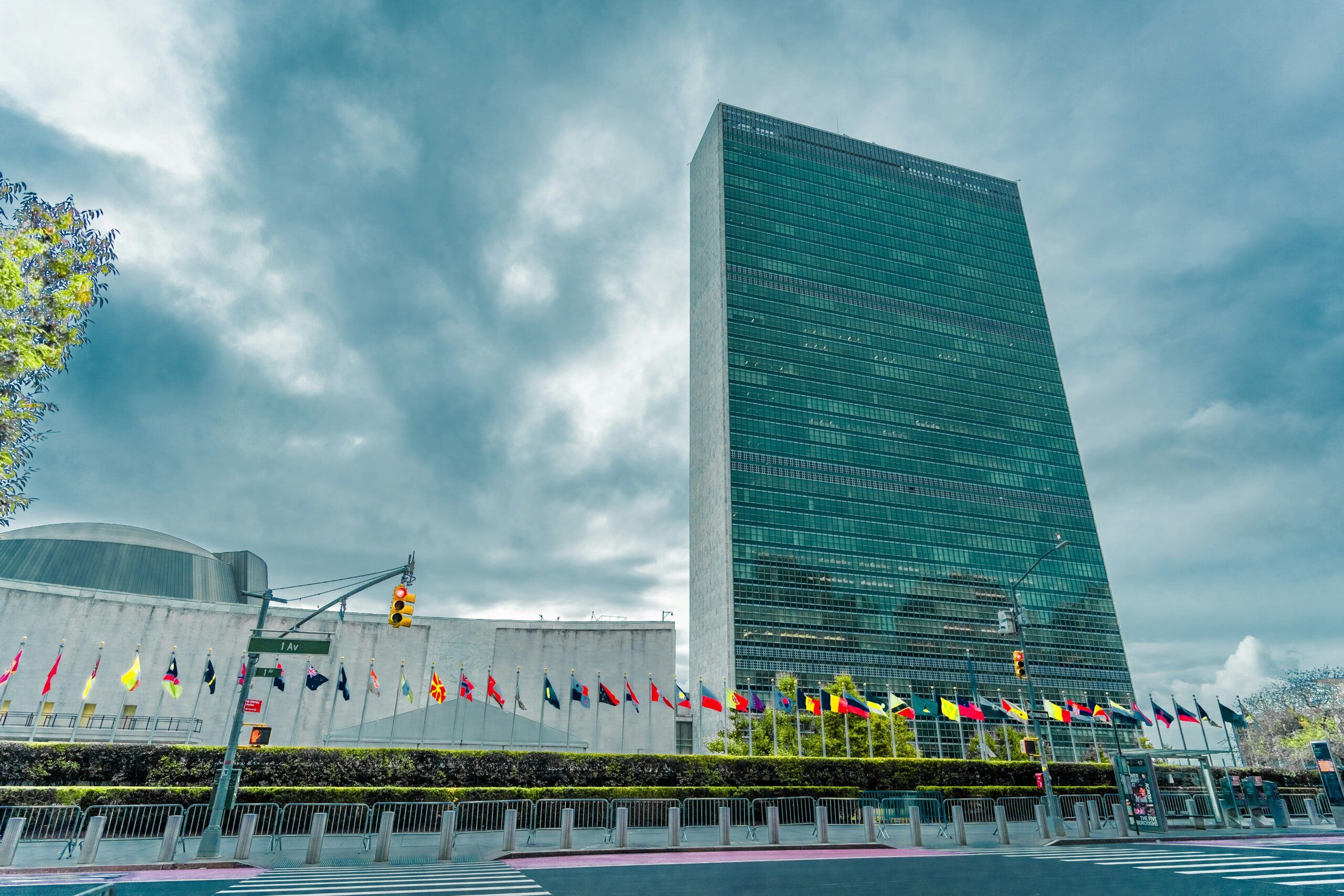
Navigating the Next Secretary-General Selection and Appointment Process: What You Need to Know to Engage
December 2, 2025 | 1:15—2:30 p.m. (EST)
777 United Nations Plaza
8th floor, New York, NY 10017
The United Nations is approaching the start of the 2026 Secretary-General selection and appointment process, and delegations will soon face practical questions and decisions on how to engage, navigate and make use of the new rules and standards introduced over the past decade, including those set out in resolution 79/327.
Marking its 80th anniversary, the organization stands at a defining moment. The upcoming choice of the next Secretary-General will shape not only its future direction but also its credibility at a time of deepening geopolitical divides and declining public confidence in multilateral institutions.
Over recent cycles, the process has undergone significant transformation. For decades, the process was shrouded in secrecy and largely controlled by the Security Council. That began to shift in 2015, when member states agreed on reforms that brought greater transparency, including for the first time public dialogues with candidates. Since then, further steps have been taken to clarify who can be nominated and how. Most recently, the General Assembly adopted resolution 79/327, which consolidated these reforms and introduced new measures to strengthen inclusivity, transparency, and ethical standards in the upcoming process.
The next twelve months will be decisive. Delegations, the UN system, civil society and other stakeholders will soon need to decide how they intend to engage, and when to do so, and what opportunities exist to shape the process as it unfolds. For Permanent Missions, this will include early internal coordination, outreach to prospective candidates, and timely responses once the joint GA–SC letters are issued, with official nominations to follow shortly after.
This event is therefore conceived not only to clarify the existing rules but also to serve as a practical platform for Member States to understand:
- What avenues for engagement exist under the current framework;
- How and when delegations can most effectively influence the forthcoming process; and
- What strategic considerations arise from the new provisions of resolution 79/327.
Speakers
- H.E. Ms. Mathu Joyini, Permanent Representative of South Africa to the United Nations
- H.E. Mr. Rein Tammsaar, Permanent Representative of Estonia to the United Nations
- Ms. Meena Syed, United Nations Director, Ministry of Foreign Affairs of Norway, former senior official of the Office of the President of the General Assembly (70th and 71st sessions)
- Ms. Loraine Sievers, Director, SCProcedure, and Co-author of “The Procedure of the UN Security Council”
- Ms. Karin Landgren, Distinguished Fellow, NYU CIC; former Executive Director of Security Council Report
- Mr. Fernando Marani, Program Director, NYU Center on International Cooperation, former senior official of the Office of the President of the General Assembly (75th – 78th sessions)
- Ms. Betty N. Wainaina, Program Director, Multilateral Reform Program, NYU Center on International Cooperation
- Mr. Thibault Camelli, Program Officer, NYU Center on International Cooperation (Moderator)
Stay Connected
Subscribe to our newsletter and receive regular updates on our latest events, analysis, and resources.
"*" indicates required fields