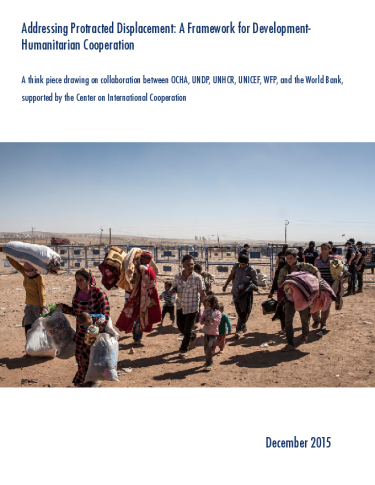
Addressing Protracted Displacement: A Framework for Development-Humanitarian Cooperation

Publication: Policy Brief

There are more than 60 million people forcibly displaced by conflict or persecution worldwide – the highest recorded since World War II. The average length of displacement is now 17 years. This paper is a think piece on how approaches to forced displacement need to change if the world is to reverse this escalating human and financial crisis.

Four shifts are needed in assistance to: integrate the displaced into development policies to achieve the 2030 Agenda; shift from humanitarian care to building local development systems that benefit host communities and the displaced; legal, fiscal, regulatory and organizational policies that enable the displaced to contribute to economic and social life where they are; and support to host countries through new and additional international financial transfers that do not undercut existing aid flows to the poorest countries.

The think piece draws on collaboration between OCHA, UNDP, UNHCR, UNICEF, WFP and the World Bank, supported by CIC.

Read the full publication: Addressing Protracted Displacement: A Framework for Development-Humanitarian Cooperation 

More Resources

  • Blog May 25, 2026

    Why Effective AI Governance Depends on Strong Justice Systems

    As governments rush to regulate AI, many governance frameworks still overlook what happens when people are harmed. This piece argues that AI governance will be tested by legal systems already struggling to deliver equal access to justice. Drawing on the recent report "A People-Centered Justice Approach to Implementing AI Governance," examples from Australia, the Netherlands, and the United States make the case for bringing courts, legal aid organizations, and justice institutions into the center of AI governance design.

    Headshot of Nate Edwards.
    Nate Edwards
  • Person at a podium in the UN headquarters.
    Publication: Policy Brief June 1, 2026 Promoting and Defending Multilateralism

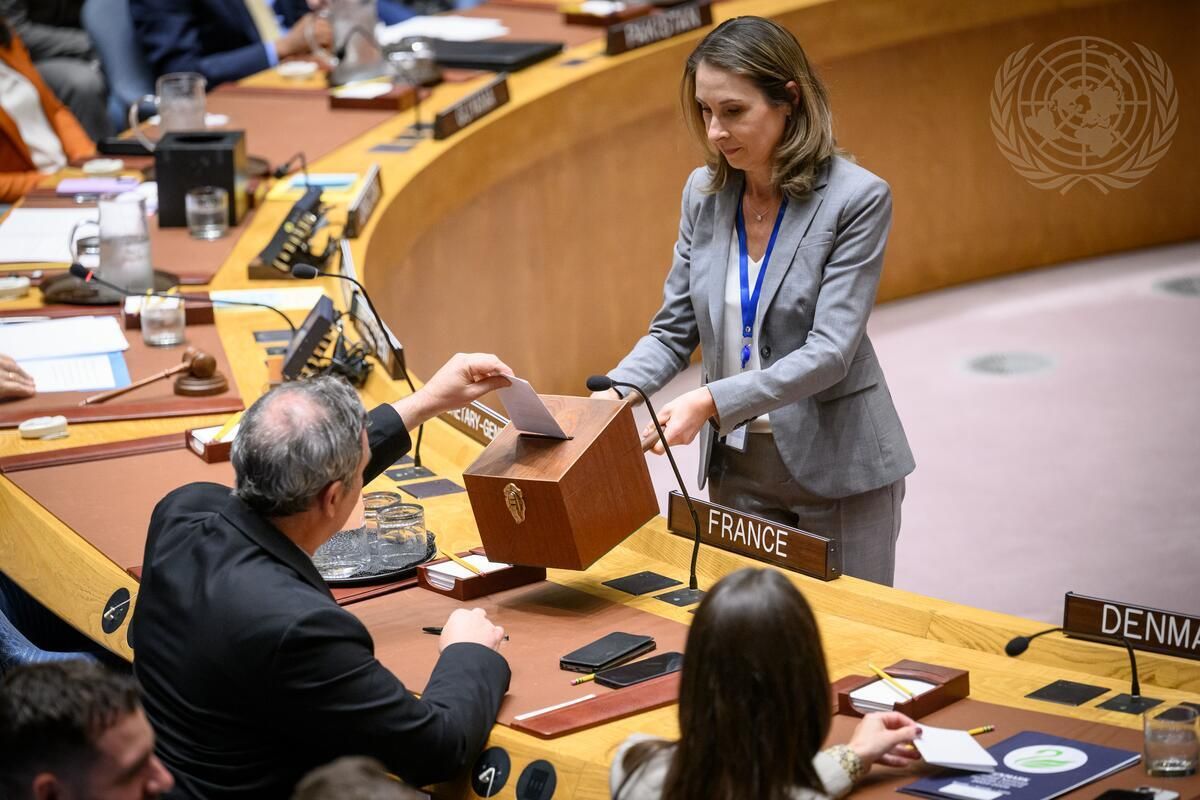
    When the General Assembly Votes for its President

    This policy brief explores “politically governed authority," or real influence, constrained in form and scope by the preferences of the member states that constitute the institution. It proceeds through selection, function, capacity, and reform and uses the framework established in United Nations resolution 79/327, operative paragraph 49, to organize the implications of this design across four dimensions: efficiency, accountability, transparency, and institutional memory.

Stay Connected

Subscribe to our newsletter and receive regular updates on our latest events, analysis, and resources.

"*" indicates required fields

This field is for validation purposes and should be left unchanged.