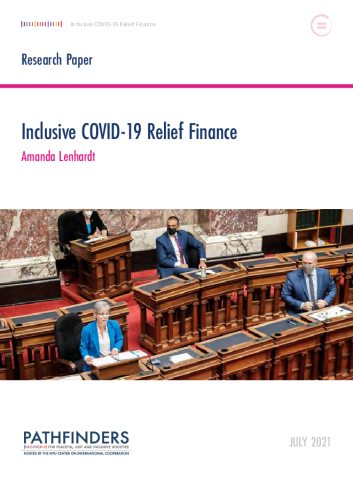
The COVID-19 pandemic has turned all countries’ attention to mitigating the impacts of the crisis, and with this attention has come a wave of finance to address the immediate health risks of the disease and the indirect effects on economies and on well-being. With this influx of spending on welfare and resilience, many have looked on with hope that this collective effort can be done in such a way that the world can ‘build back better.’ But, like any building project, the foundation is critical.
This paper sets out to investigate whether countries are investing in the foundational social and economic structures that have led to the vulnerabilities currently upending people’s lives. Failure to address the structural inequalities embedded within societies and across the global political economic structure will ultimately leave the new structure vulnerable to collapse in the long term, and risks exposing marginalized groups to the harshest impacts of the crisis in the short term.
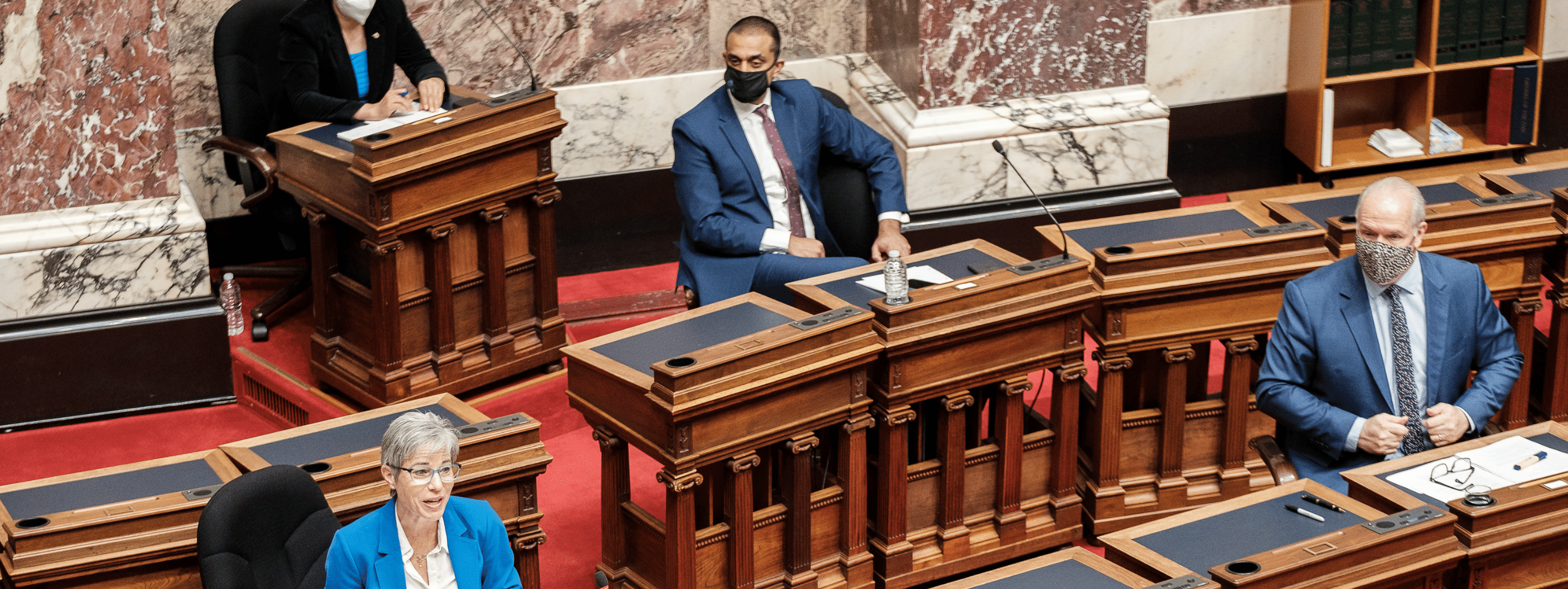
This paper analyzes COVID-19 relief spending in nine countries to assess whether governments are investing resources in inclusive programs that will lead to the desired goal of ‘building back better.’ The results of this analysis indicate that current investments are likely to maintain the status quo, and potentially lead to a deepening of inequalities by overlooking urgent needs of marginalized groups affected by the social and economic effects of the pandemic. The countries analyzed are the following: Canada, Costa Rica, Indonesia, Mexico, Sierra Leone, South Korea, Sweden, Tunisia, and Uruguay.
Read the full paper: Inclusive COVID-19 Relief Finance
This policy brief is part of the Pathfinders Grand Challenge on Inequality & Exclusion. More information about this initiative can be found here.