Economic development issues are becoming increasingly geopolitical, as the form and importance of today’s agreement in Turkey on grain exports between Russia and Ukraine demonstrates. While today’s crucial agreement and the war of food security narratives between Russia and the West rightly grab the latest headlines, outside of the media spotlight development competition is also heating up between China and the West.
China’s Foreign Minister Wang Yi is traveling this month, visiting Myanmar, Indonesia, Thailand, the Philippines, and Malaysia, hosting cooperation dialogues with Vietnam and Cambodia, and following a recent visit to eight Asia-Pacific island nations. Advancing the achievements of China’s new Global Development Initiative (GDI) is one of the objectives of the trip.
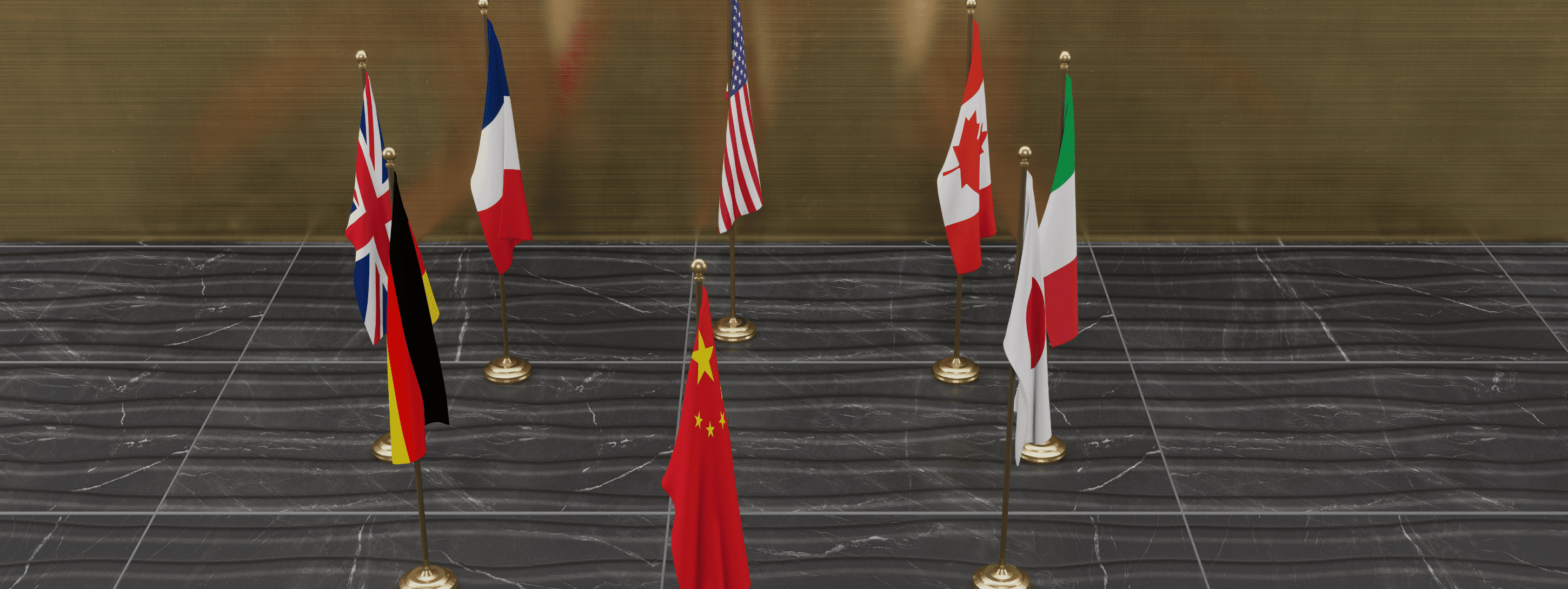
The Asia trip is a week after the G7 announcement of its new Global Partnership for Infrastructure Investment (GPII), which itself fell a day after China’s hosting of 18 heads of state in Beijing for a High-Level Dialogue on Global Development. The GPII announcement also follows a G7 announcement on a new Global Alliance for Food Security (GAFS) in May.
Coincidence? Unlikely. Two and a half years of pandemic and the impacts of the Ukraine war leave both immense development needs and a vacuum in global leadership, which both sides want to fill.
[ Read the full commentary: Development Competition is Heating Up: China’s Global Development Initiative, the G7 Partnership for Infrastructure, and the Global Alliance on Food Security ]