Coping with COVID-19 and Conflict in Afghanistan

Publication: Policy Brief

Afghanistan faces many hurdles in coping with the COVID-19 pandemic: a prolonged armed conflict, a lack of social protection systems, limited healthcare capacity, and insufficient preparedness and coordination mechanisms. The Afghan government has developed a response plan and secured aid from international donors, but effective implementation remains challenging.
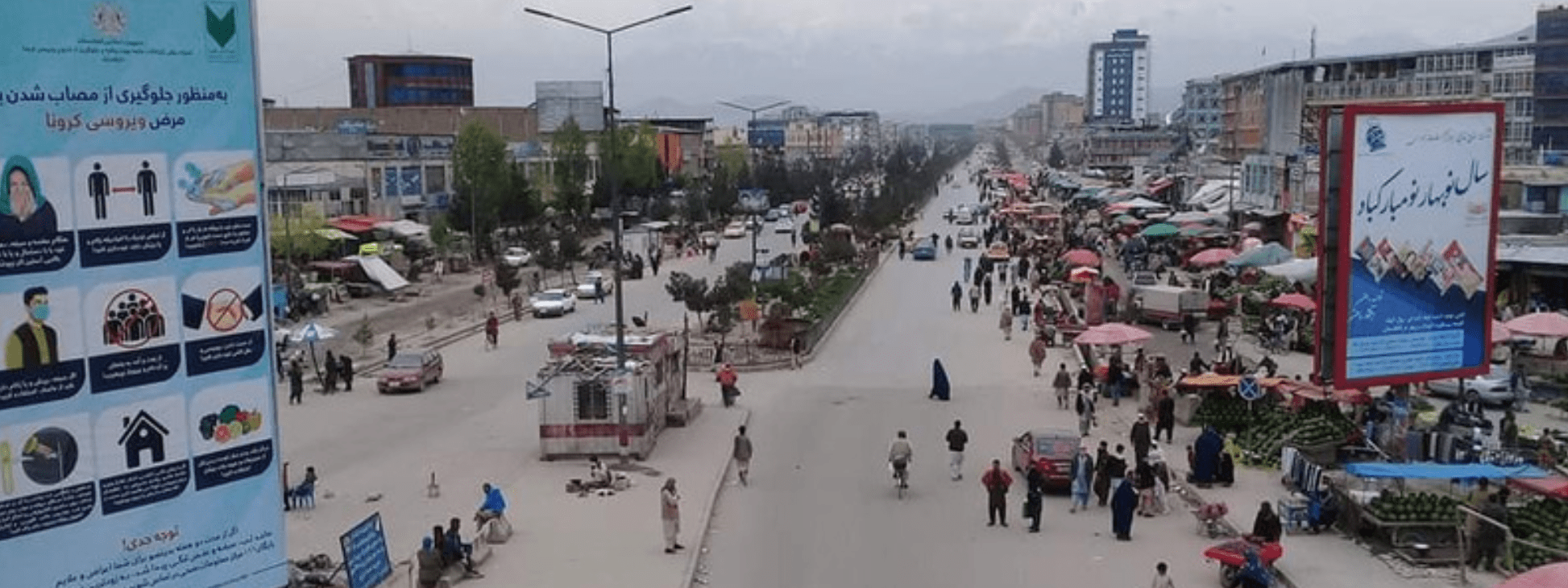
Photo: A Kabul market remains open so people can buy food and essential items during the ongoing lockdown to stop the spread of coronavirus (©UNAMA/Torpekai Amarkhel).

This briefing by Said Sabir Ibrahimi and Dr. Naqibullah Safi provides an overview of the current state of the COVID-19 response in Afghanistan against the background of the ongoing conflict. It also details the additional challenges that hamper Afghanistan’s ability to deal with the crisis and provides recommendations for mitigating them.

Download the full briefing here.
More Resources

  • Person at a podium in the UN headquarters.
    Publication: Policy Brief June 1, 2026 Promoting and Defending Multilateralism

    When the General Assembly Votes for its President

    This policy brief explores “politically governed authority," or real influence, constrained in form and scope by the preferences of the member states that constitute the institution. It proceeds through selection, function, capacity, and reform and uses the framework established in United Nations resolution 79/327, operative paragraph 49, to organize the implications of this design across four dimensions: efficiency, accountability, transparency, and institutional memory.

Stay Connected

Subscribe to our newsletter and receive regular updates on our latest events, analysis, and resources.

"*" indicates required fields

This field is for validation purposes and should be left unchanged.