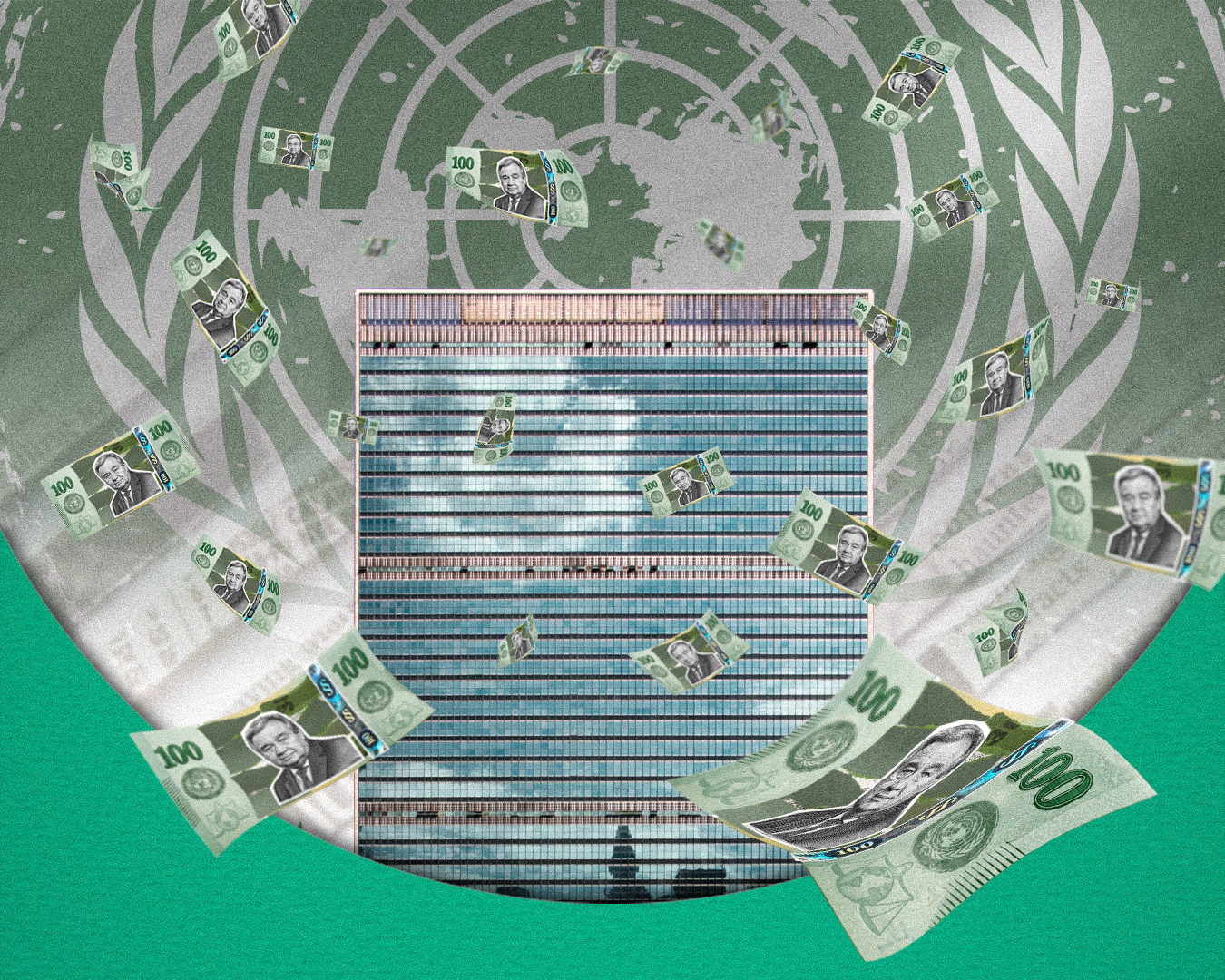
The next Secretary-General will inherit a United Nations (UN) whose ambitions increasingly exceed the resources member states are willing to provide. The immediate financing crisis is severe, but the deeper problem is structural: financing is moving away from collective support for shared institutions and towards fragmented, conditional, and donor-driven forms of funding, while mandates continue to expand. The result is a widening gap between what the UN is asked to do, what it can finance, and where authority over those resources sits. Managing the shortfall will therefore not be enough. The next Secretary-General will need to use the authority of the office to protect the institution’s core capacities while building support among member states for changes only they can make.
The paper organizes reform options according to who actually has the authority to implement them:
- Within the Secretariat, the next Secretary-General can retake political control of the budget process and build the proposal on realistic payment assumptions, define which core UN functions must be protected even under financial pressure, differentiate the governance of voluntary funding by institutional function, discipline the fundraising hierarchy, and refuse funding conditions that prevent the organization from implementing agreed mandates.
- Across the system, the office can use the Chief Executives Board to produce a consolidated picture of UN financing and create incentives and transparency that shape funding practices through influence rather than imposed standards.
- Only member states can act on the core drivers: payment discipline, the Article 19 question, the assessed–voluntary balance, and donor co-responsibility for fragmentation.
The paper closes with a series of practical next steps: first, establishing an honest diagnosis of the financing gap; second, changing how budgets are presented and negotiated; and, finally, building coalitions around payment discipline and funding reform. It also identifies seven practices the next Secretary-General should refuse to normalize, including across-the-board cuts that replace political prioritization and funding conditions that undermine multilaterally agreed mandates.
##