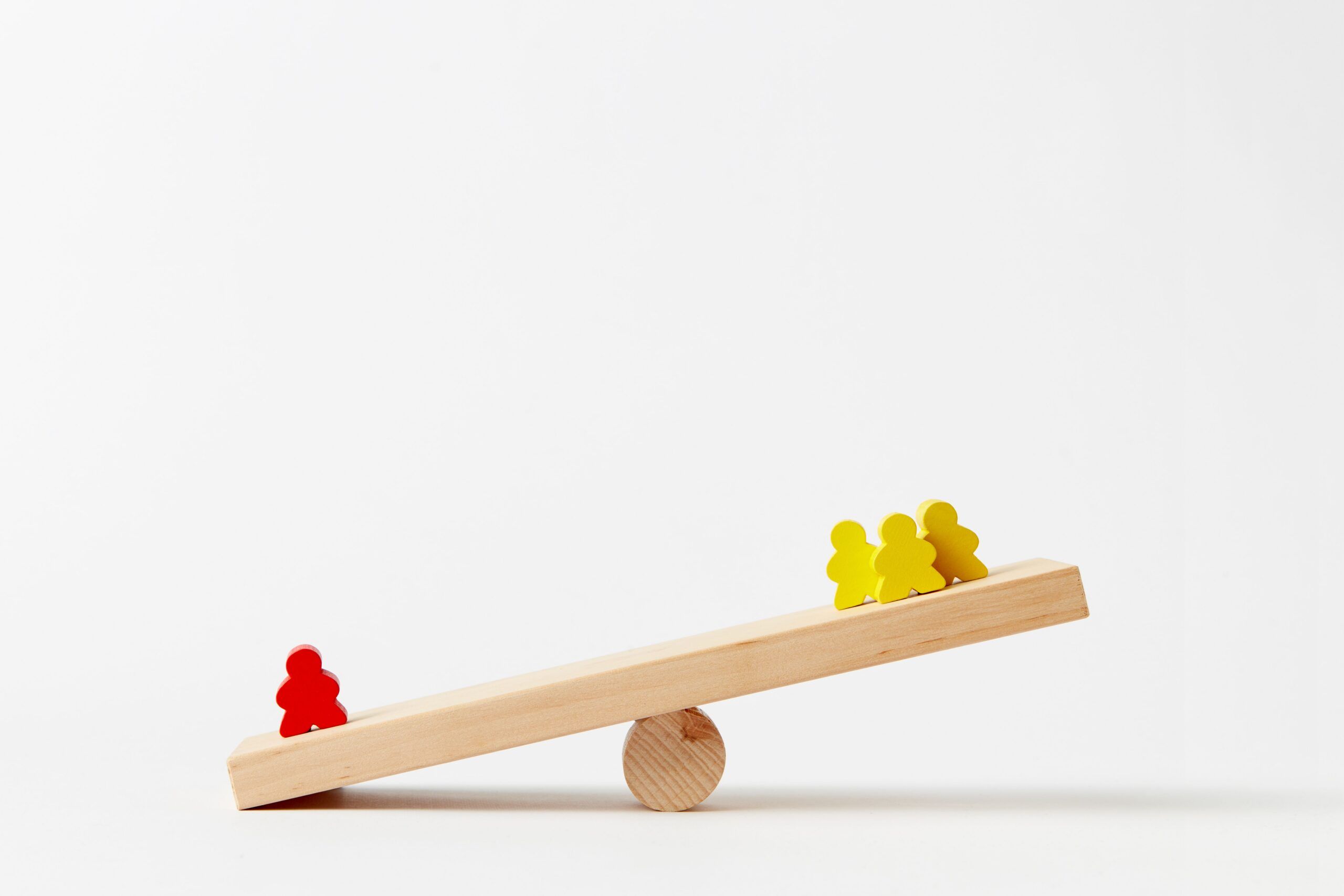
Everyone has heard the word inequality. We reach for it in economics, politics, sociology, and in nearly every field that tries to make sense of how societies work. It is invoked so often, and so loosely, that its opposite—equality—can start to sound less like a real goal and more like a decorative phrase in policy speeches and academic debate.
Part of what makes inequality so challenging to tackle is that we struggle to agree on what it even is. Countries define it differently, measure it differently, and respond to it differently. Yet whatever the approach, as Amitabh Behar, Executive Director of Oxfam International, has argued, “ending inequality is a political choice.” Some hold that a degree of inequality is inherent to any society and lies beyond the reach of political will, but on one point there is little disagreement: reducing it, or at least trying to, is a choice.
This piece follows that choice through three moments. Before anyone can reduce inequality, someone has to define it, decide how to measure it, and choose how to respond; and none of those steps are neutral. Each hides a judgment about which gaps matter and whose situation counts, and each pushes policy in a different direction. Bringing those judgments into the open is the first step toward acting on them.
Read this analysis to unpack the following:
- The inequality of what.
- The inequality of which thing.
- The inequality between whom.